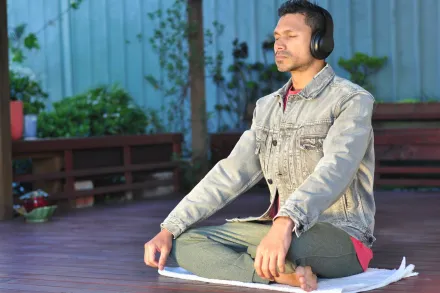
In the hustle of contemporary life, wellbeing is often pursued as a mosaic of physical health, emotional balance, mental clarity, and social connection. Meditation enters this landscape not as a quick fix, but as a carefully cultivated practice that can progressively alter how the body and mind respond to daily experience. The essence of meditation lies in directing attention with intentional gentleness, observing sensations without judgment, and allowing patterns of thought to arise and pass without becoming entangled in them. When practiced with consistency over weeks and months, meditation acts as a training regime for the nervous system, shaping communication between the brain, the body, and the outer world. This shift is not a single dramatic event but a quiet, unfolding recalibration that can influence sleep, mood, energy, resilience, and the quality of relationships.
The Nature of Meditation
Meditation emerges from a wide range of traditions and modern experiments, yet at its core it is a purposeful attention training that reorganizes the way we experience the present moment. Some forms emphasize mindful awareness, inviting observation of breath, thoughts, and bodily sensations with a stance of nonjudgmental curiosity. Others center on compassion and loving actions toward oneself and others, fostering a spaciousness that makes room for difficult emotions without being overwhelmed. Still others cultivate single-pointed focus, guiding the mind toward a specific object, sound, or intention until the urge to wander fades. Across these modalities, the practice is less about erasing experience and more about changing the relationship to experience. This subtle shift is profound: as people learn to recognize early signs of tension, distress, or rumination, they can respond with deliberate choice rather than automatic reactivity. In this sense meditation functions as training wheels for the nervous system, helping the mind and body operate with greater balance and intention even under pressure.
Physiological Foundations and the Body’s Response
Research across disciplines has begun to map how meditation influences physiological processes that underlie wellbeing. A hallmark of regular practice is a shift in autonomic balance toward the parasympathetic branch, often described as the rest‑and‑digest system, which promotes relaxation, repair, and restoration. This modulation can manifest as a slower heart rate, deeper and more efficient breathing, and a more flexible response to stress over time. At the same time, the practice appears to dampen the activity of neural circuits associated with the fight‑or‑flight response, diminishing bursts of adrenaline and cortisol that otherwise signal the body to prepare for danger. The brain itself responds with measurable changes: functional networks become more coordinated, and the interplay between regions that support attention, interoception, and emotion regulation becomes more integrated. The insular cortex, a hub for bodily awareness, often becomes more finely tuned, enabling a clearer read of internal states such as tension, fatigue, or a rising heartbeat. Even at the level of cellular processes, meditation is associated with reductions in inflammatory markers and improvements in immune function, aligning the body’s internal environment more closely with a state conducive to healing and resilience.
Mind, Mood, and the Regulation of Emotions
One of the most tangible benefits cited by both practitioners and researchers is an enhanced capacity to regulate emotions. Meditation provides a safe laboratory for observing emotional landscapes without becoming consumed by them. By repeatedly meeting feelings with curiosity rather than avoidance, individuals can avert the downward spiral of rumination that often accompanies anxiety and depression. Over time, the brain’s prefrontal regions involved in executive control become better at modulating activity in emotion‑related areas such as the amygdala. This does not mean emotions disappear; rather, there is an increased ability to acknowledge and metabolize emotional experiences in ways that support thoughtful action rather than impulsive reaction. The cascading effect of this practice often translates into steady mood, greater baseline optimism, and a deeper sense of inner steadiness that can carry over into interpersonal dynamics, workplace interactions, and personal decision making.
Impact on Sleep and Restorative Processes
Sleep is a foundational pillar of wellbeing, and meditation can meaningfully influence both sleep onset and sleep quality. By reducing physiological arousal and quieting racing mental content, meditation makes it easier for the mind to settle into the quiet states that precede sleep. Practitioners frequently report shorter time to fall asleep, longer periods of deep restorative sleep, and fewer awakenings during the night. In turn, better sleep enhances daytime functioning: attention becomes sharper, memory processes improve, and emotional reactivity diminishes. The relationship between meditation and sleep is bidirectional as well; when sleep improves, the mind has more available bandwidth during waking hours to practice and integrate calm states, creating a virtuous cycle that supports ongoing wellbeing. Even modest daily routines, such as a brief evening practice before bed, can yield noticeable improvements over weeks as bodily systems recalibrate and the nervous system learns to transition more efficiently between wakefulness and rest.
Attention, Focus, and Cognitive Flexibility
The human brain is wired for rapid shifts of attention, a capacity that is both an advantage and a source of strain in the modern environment. Meditation trains sustained attention and the ability to redirect attention when distractions arise. Regular practice strengthens networks involved in concentration and reduces the propensity of the mind to wander into unproductive streams of thought. Beyond simply holding attention, meditation nurtures cognitive flexibility—the ability to switch perspectives, adapt to changing circumstances, and approach problems with an open frame. This flexibility is particularly valuable in professional settings where complex tasks require careful judgment and in personal life when decisions must accommodate competing values. Over time, individuals often notice a sense of mental clarity that persists beyond meditation sessions, enabling them to approach daily tasks with greater composure and methodical deliberation. The cumulative effect is not merely a sharper focus for a moment but a more resilient cognitive posture that remains available in the face of fatigue, stress, or novel challenges.
Physical Health Intersections and Longevity of Wellbeing
Wellbeing encompasses more than mood and sleep; it extends into physical health through the body’s stress regulation systems, metabolic balance, and immune competence. Meditation appears to influence these domains by gently downregulating chronic low‑grade stress responses that, when persistent, contribute to wear and tear on tissues and organs. Through regular practice, the nervous system learns to interpret stress signals with less reactivity, which in turn reduces the wear on systems that govern digestion, cardiovascular function, and hormonal balance. Some long‑term studies have linked mindfulness and related practices to healthier markers of aging, including less pronounced declines in cognitive function and more stable inflammatory profiles. While meditation is not a panacea for all health concerns, it can act as a supportive practice that harmonizes the body’s internal rhythms, fosters more adaptive coping, and aligns daily behavior with long‑term health goals.
Social Connection, Compassion, and Empathy
Many forms of meditation place emphasis on compassionate awareness toward self and others. This dimension of practice can subtly recalibrate social behavior and deepen relational quality. By enlarging the space between stimulus and response, meditation supports listening with greater attention and speaking with more consideration. This can enhance trust and safety in personal relationships, improve teamwork in professional environments, and foster more constructive responses to conflict. The cultivation of kindness and empathy is not only ethically meaningful; it also reinforces social bonds that contribute to mental and emotional wellbeing. People report a greater sense of belonging, reduced sense of isolation, and a feeling that their actions align more closely with their values, all of which contribute to a durable sense of purpose and vitality over time.
Barriers, Challenges, and Paths Around Them
Despite clear benefits, many encounter obstacles as they begin or sustain a meditation practice. A busy schedule, restless mind, or doubt about the practice can temporarily slow progress. Yet the barriers themselves can become informing cues: they reveal underlying needs for sleep, rest, or more gentle approaches. When confronted with a restless mind, adopting shorter sessions, focusing on the breath as an anchor, or lowering the bar for consistency by removing all-or-nothing expectations can reduce self‑critique and help practice endure. If doubt arises about whether meditation is effective, it is helpful to track subjective changes over time rather than seeking immediate, dramatic outcomes. The neuroscience of change suggests that even small, repeated efforts create meaningful pathways in neural circuits, reinforcing the idea that consistency, not intensity, often yields durable gains. In this light, embracing a flexible schedule and a compassionate attitude toward oneself can transform perceived obstacles into allies that support sustained practice.
Practical Approaches for Daily Practice
To integrate meditation into daily life, it helps to cultivate an environment that supports quiet attention without requiring a dramatic upheaval of routine. A simple daily ritual could involve a brief pause after waking or before sleep, where one sits in a comfortable position, closes the eyes, and attends to the breath or a chosen point of reference within the body. The practice may emphasize noting sensations, counting breaths, or softening the jaw and shoulders to release accumulated tension. It is not necessary to empty the mind of thoughts; rather, one can acknowledge thoughts lightly and return to the chosen point of focus. Over time, the routine becomes more than a moment in the day; it becomes a reference frame that participants carry into conversations, decision making, and problem solving. A flexible approach recognizes that life will interrupt practice, but the essence remains: showing up with curiosity and kindness, and allowing the experience to unfold as it will rather than forcing a specific result.
Integrating Meditation into Lifestyle and Habit Formation
Effective integration requires attention to consistency, accessibility, and personal resonance. Some people respond best to guided sessions, while others prefer silent practice. A library of resources—audio recordings, video instructions, or in‑person groups—can be a supportive scaffold, while still granting the freedom to tailor practice to personal preferences. The daily routine may weave meditation with other health habits such as mindful movement, gentle stretching, or breathwork that strengthens body awareness. As the practice deepens, it becomes part of a broader lifestyle that values rest, reflection, and sustainable pacing. The outcomes are not about achieving a perfect state but about cultivating a more intimate relationship with one’s own experience, so that stress responses become more adaptive, capacity for concentration expands, and everyday life holds more room for balance and meaningful engagement.
Applications Across Populations and Life Phases
Across different populations and life stages, meditation offers a spectrum of benefits that can be tailored to individual needs. In high‑stress professional environments, the practice can act as a buffer that preserves composure and preserves cognitive function during demanding tasks. For students, it can support focus, reduce test anxiety, and promote a calmer approach to learning, which in turn improves information retention and creative thinking. In older adults, meditation may contribute to maintaining steady attention, reducing mood volatility, and supporting sleep, all of which influence quality of life. For people dealing with chronic illness or pain, mindfulness and related approaches can alter the perception of discomfort, enhance coping strategies, and foster a sense of agency. The flexible nature of meditation means it can be adapted to cultural contexts, personal beliefs, and accessibility needs, ensuring that its benefits are within reach for a wide range of individuals who seek to support their wellbeing in practical, sustainable ways.
Long-Term Transformations and Neuroplasticity
Over months and years, sustained meditation practice can coincide with measurable changes in the brain’s structure and function, reflecting the durable nature of neural adaptation. Increases in cortical thickness in regions associated with attention and sensory processing have been observed in some studies, alongside enhancements in connectivity that support self‑regulation and introspection. These structural and functional changes are complemented by shifts in behavior and mood, with practitioners often reporting greater equanimity, fewer fluctuations in stress hormones, and a more stable sense of self that is not easily toppled by external circumstances. Although the pace and extent of change vary among individuals, the accumulating evidence points toward meditation as a robust, nonpharmacological avenue to supporting overall wellbeing over the long arc of life. The practice does not erase hardship, but it can equip people with more resources to respond with clarity, compassion, and resilience when faced with difficulty.
Closing Reflections on a Quiet Power
In understanding how meditation supports wellbeing, it becomes clear that the practice operates across multiple layers of experience. It influences physiology by supporting autonomic balance and immune regulation, shapes neural networks that underwrite attention and emotion regulation, and nurtures behaviors and mindsets that extend into daily life, work, and relationships. The power of meditation does not lie in dramatic breakthroughs alone but in the accumulation of small, reliable steps that redefine how a person relates to stress, pain, joy, and connection. With patience and curiosity, anyone can embark on this path, discovering that wellbeing is not a fixed destination but a living process that unfolds through daily acts of attentive presence, kind intention, and a willingness to listen deeply to what the body and mind have to say. As people learn to cradle their experience with gentleness, the everyday world can become a site of growth, learning, and sustained vitality that extends beyond the meditation cushion into every moment of living.