Introduction to circulatory health and massage
Circulatory health is a cornerstone of overall vitality, nourishing every cell with oxygen and nutrients while carrying away waste products so tissues can repair and renew themselves. Massage therapy, traditionally valued for relaxation and comfort, is increasingly understood as a practical ally in supporting the circulatory system. The human body depends on a finely tuned network that includes the heart, blood vessels, capillary beds, and lymphatic channels, all working together to ensure that blood reaches distant tissues and returns efficiently to the heart. When massage is applied with intention, it exerts mechanical effects that can awaken sluggish flow, reduce stiffness in blood vessels and muscles, and encourage a healthier pattern of movement through the body. This article explores how massage therapy can contribute to circulatory health in ways that complement lifestyle choices, medical care, and physical activity, offering a holistic perspective on how hands-on care can influence the flow of life through the body's tissues and organs.
The circulatory system in brief
At its core, the circulatory system is a dynamic loop that carries oxygen-rich blood from the lungs to every organ and tissue, then returns deoxygenated blood back to the lungs for reoxygenation. Arteries act as conduits of high-pressure flow, delivering nutrient-rich blood to distant sites, while veins carry blood back toward the heart and lungs. Capillaries, the smallest vessels, form a dense network where exchange occurs between the bloodstream and surrounding cells. The heart orchestrates this rhythm through contractions that generate pulsatile flow, and the autonomic nervous system modulates speed and force in response to activity, posture, stress, and environmental demands. Lymphatic vessels and nodes, though often overlooked, help drain interstitial fluid and support immune surveillance, ensuring that excess fluid does not accumulate and that waste products are guided toward processing sites. A healthy circulatory system depends on balanced vessel tone, unobstructed flow, and coordinated pumps from the heart, arteries, veins, and muscles. Massage, when applied thoughtfully, can influence several of these components by mechanically assisting movement, reducing resistance in soft tissues, and promoting a more efficient tissue milieu for perfusion and waste removal.
How massage influences blood flow
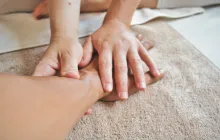
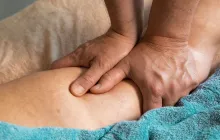
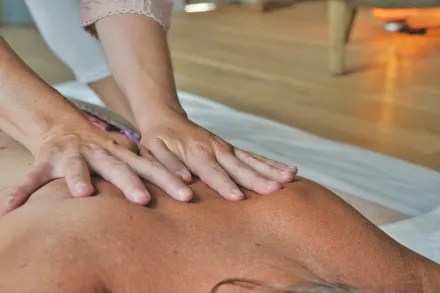
During a massage, the practitioner’s hands apply controlled pressure and rhythmic strokes that compress and release muscle groups. This mechanical action helps to stretch and relax fascia and connective tissues, reducing localized stiffness that can impede the free movement of blood through the tissues. The result is often a greater rate of blood flow within the treated regions, especially when larger muscle groups such as the back, shoulders, thighs, and calves are engaged. The process can stimulate dilation of superficial blood vessels (vasodilation), allowing greater capillary recruitment and enhancing perfusion to skin and underlying tissues. The physical manipulation also functions as a gentle, sustained muscular pump: as muscles are compressed and released, venous blood moves more readily back toward the heart, aided by the one-way valves in the veins and aided by deeper breathing and postural adjustments during the session. In addition, the relaxation response commonly elicited by massage lowers sympathetic arousal and reduces circulating stress hormones, which can otherwise constrict vessels and dampen circulatory efficiency. The net effect is a more favorable environment for oxygen delivery, nutrient transport, and metabolic waste clearance in the treated areas, with potential systemic benefits as circulation is supported across the body.
Physiological mechanisms underlying improved circulation
Underlying the observable changes in blood flow are several physiological mechanisms. Mechanical stimulation from massage can increase shear stress on the endothelium, the inner lining of blood vessels, which promotes the release of vasodilators such as nitric oxide. Nitric oxide signals smooth muscle cells to relax, expanding vessel diameter and improving flow. This endothelial response is coupled with improved microvascular function, particularly in tissues prone to stiffness or poor perfusion, such as chronically tense shoulders or the muscles around the legs after prolonged sitting. The parasympathetic shift that often accompanies massage encourages a calmer cardiovascular state, lowering heart rate variability in the short term and potentially reducing resting blood pressure in individuals with elevated levels when the session is moderate in intensity and well-timed. Moreover, improved lymphatic flow can accompany circulatory benefits by clearing interstitial fluid more efficiently, which reduces tissue edema and makes the extracellular environment more conducive to nutrient exchange and waste removal. In essence, massage can support both the conduit of arterial blood delivery and the return journey of venous blood, while also enhancing the cleansing function of the lymphatic system, all of which contribute to a more balanced circulatory milieu.
Impact on the microcirculation and tissue perfusion
The microcirculation refers to the smallest blood vessels, including arterioles, capillaries, and venules, where cells exchange gases, nutrients, and metabolic wastes. Massage can influence these tiny channels by promoting capillary recruitment and improving the driving pressure that pushes blood through narrow vessels. When tissue perfusion improves at the micro level, cells receive more oxygen and glucose while carbon dioxide and other waste products are removed more efficiently. This improved exchange supports tissue resilience, accelerates recovery after exertion, and can reduce the sensation of heaviness or tightness that sometimes accompanies muscle fatigue. Some researchers describe massage as a method to modulate the balance between tissue oxygen supply and metabolic demand, particularly after physical activity or during periods of reduced movement. In practice, the enhanced microcirculation can translate into tangible experiences of warmth, lightness, and a sense that the body is functioning more readily at its cellular level, with improved readiness for subsequent activity or rest.
Lymphatic system and edema management
The lymphatic system plays a critical role in maintaining interstitial fluid balance and supporting immune function. Unlike the heart, the lymphatic system relies on skeletal muscle movement, breathing, and gentle external stimulation to propel lymph through its vessels. Massage that focuses on light, rhythmic strokes and the treatment of sluggish lymphatic pathways can help to mobilize stagnant lymph, reduce localized edema, and improve the clearance of metabolic byproducts from tissues. When edema diminishes, tissue pressure decreases, and capillary perfusion can improve as the space between cells is less crowded with fluid. This can be particularly meaningful for individuals recovering from injury, dealing with chronic venous insufficiency, or managing lymphedema where lymphatic flow is a limiting factor. While massage cannot replace medical therapies for complex lymphedema, it can serve as a complementary approach that enhances overall fluid regulation and tissue health, contributing to a more efficient circulatory-lymphatic interface in affected regions.
Massage modalities and their circulatory benefits
Different massage modalities carry distinct effects on circulation. A broad, rhythmic stroke pattern associated with Swedish massage often motivates systemic relaxation and improved superficial blood flow, which can translate into a warm, inviting sensation across large areas of the body. Deeper, more targeted techniques used in modalities such as deep tissue work may influence deeper muscular and fascial layers, potentially affecting regional vascular networks and muscle pump efficiency in areas of chronic tightness. Lymphatic drainage massage emphasizes very light, deliberate movements in directionally specific patterns to stimulate lymph flow and reduce edema, with documented benefits for tissue fluid balance and immune-related processes. Sports massage blends elements of various approaches to address tissue adhesions, scar tissue, and mechanical restrictions that can hinder venous return and capillary perfusion in overworked muscles. Each modality has the potential to enhance circulation in unique ways, and practitioners may tailor sessions to individual needs, combining techniques in a flow that respects tissue health, comfort, and safety.
Evidence from research and clinical observations
Clinical observations across the field consistently highlight that massage can improve perceived circulatory comfort and skin warmth in treated areas, which often correlates with increased local blood flow. Emerging research supports several of these impressions, showing measurable improvements in skin perfusion, microvascular function, and regional blood flow following sessions of Swedish or lymphatic-focused massage. Some studies have noted reductions in resting blood pressure or heart rate after regular massage, particularly in individuals with higher baseline tension or stress levels. It is important to recognize that results vary with massage intensity, duration, practitioner technique, and the individual's baseline health status. The literature also emphasizes that massage should complement, not replace, medical treatment for circulatory conditions, and that persons with conditions such as cardiovascular disease, uncontrolled hypertension, or recent vascular injury should seek guidance from healthcare professionals before initiating new massage routines. Overall, the evidence base is robust enough to support the idea that massage can positively influence circulatory dynamics in many contexts, especially when applied as part of a comprehensive wellness plan that includes movement, hydration, and nutrition.
Who benefits most and safety considerations
Individuals who may experience notable circulatory benefits from massage include athletes seeking quicker recovery, older adults experiencing stiff joints and reduced venous return, and people who spend long hours seated or standing who notice swelling or heaviness in the legs. Those with chronic venous insufficiency may experience symptomatic relief and improved tissue perfusion with regular sessions conducted by trained therapists who monitor pressure and tissue response. Safety considerations are essential: massage should be approached with caution in the presence of blood clots, uncontrolled bleeding disorders, acute injuries with significant inflammation, deep vein thrombosis, or open wounds. Pregnant individuals should seek therapists trained in prenatal techniques, and those with cardiovascular disease or hypertension should discuss massage plans with their clinician to ensure that pressure levels, session length, and overall intensity align with medical guidance. Clear communication about medications, recent surgeries, and any sensation changes during a session helps ensure that massage remains a safe and beneficial component of a circulatory health strategy.
Practical guidance for readers
To support circulatory health through massage, it helps to choose a therapist who demonstrates a calm, measured approach and a clear understanding of anatomy and tissue response. A first session might focus on larger muscle groups to promote systemic relaxation and general blood flow, followed by targeted work on areas that feel particularly stiff or congested. Discuss goals with the therapist, and be explicit about comfort levels, pressure preferences, and any areas to avoid or treat with extra care. Sessions lasting between 30 and 90 minutes are common, with frequency ranging from weekly to monthly depending on objectives, lifestyle, and budget. In addition to in-session benefits, the repeated exposure to gentle stimulation can create a resonant effect on how the circulatory system adapts to daily activities, potentially reducing the emotional and physical load that sedentary patterns often impose on the vascular system. Hydration before and after sessions supports fluid balance, and incorporating light movement on non-session days can help translate the benefits of massage into everyday circulation, muscle function, and durability of tissue perfusion over time.
Integrating massage into a broader health plan
Massage therapy functions best when integrated with a broader approach to circulatory health. Regular physical activity, especially activities that involve rhythmic leg movements such as walking, cycling, or swimming, complements the mechanical effects of massage by strengthening the muscle pump and promoting venous return. Adequate hydration supports blood volume and helps maintain the viscosity of circulating fluids, while a balanced diet rich in antioxidants and nutrients that support endothelial function can augment the benefits of massage. Adequate sleep, stress management practices, and avoidance of smoking or excessive alcohol also contribute to healthier vessels and more responsive circulation. When massage is viewed as a part of an integrated program, clients often experience not only improved circulatory comfort but also greater overall vitality, resilience to stress, and sustained tissue health. Therapists may collaborate with other health professionals to align massage goals with cardiovascular and metabolic health plans, ensuring that the care pathway respects chronic conditions and personal health trajectories.
Lifestyle and circulatory health interplay
Everyday choices shape the responsiveness of the circulatory system to massage. Regular movement reduces the risk of venous pooling in the legs, while posture habits influence how effectively flow returns to the heart. Stress, sleep quality, and nutrition modulate endothelial function and inflammatory tone, which in turn affect how well vessels dilate and how efficiently tissues exchange gases and nutrients. Massage can act as a catalyst in this ecosystem, providing a reset that lowers sympathetic arousal and creates a more permissive environment for circulation to optimize. By blending massage with mindful breathing, gentle mobility, and a structured routine, individuals can cultivate a more robust circulatory profile that supports energy, recovery, and long-term vascular health. This holistic alignment acknowledges that circulation is not a single event but a living process that responds to physical, mental, and environmental inputs in a coordinated fashion.
Historical perspective and modern practice
Massage has roots in ancient healing traditions that recognized the body’s subtle energy flows and the importance of touch in maintaining tissue health. Over centuries, practitioners refined techniques to address a range of concerns, including muscle stiffness, fatigue, and circulatory imbalance. In modern practice, scientific inquiry has illuminated how some of these traditional observations align with measurable physiological responses such as improved skin perfusion, enhanced lymphatic drainage, and changes in autonomic balance. Contemporary massage therapy often combines evidence-based methods with individualized assessment, ensuring that sessions honor personal comfort, medical history, and rehabilitation goals. This evolution reflects a growing appreciation for how touch-based therapies can influence circulatory health in conjunction with other forms of therapy, lifestyle change, and medical care.
Case examples and real-world impact
Consider a working professional who sits for long hours and notices swelling in the ankles after a busy day. A sequence of moderate, rhythmic massages focusing on the lower legs and low back can relieve stiffness, enhance venous return, and reduce edema, leaving the person feeling lighter and more able to move comfortably the next day. A competitive runner may use targeted sessions to address areas of fascial restriction around the calves and hips, promoting deeper circulation to the working muscles and a quicker return to training with lower perceived effort. An older adult with intermittent leg heaviness can benefit from a program that blends gentle lymphatic drainage with static stretching and hydration cues, improving the tissue environment and the sense of wellbeing. In each case, the consistency of care, the clinician’s attentiveness to signals from the body, and the integration with activity and hydration contribute to enduring improvements in circulatory function and everyday comfort. Real-world experiences like these illustrate how massage can become a practical, enjoyable part of maintaining healthy blood flow and tissue vitality over time.
Closing reflections on mindful circulation
The relationship between massage therapy and circulatory health is best understood as a collaboration between intention, technique, and the body’s innate capacity to adapt. When massage is applied with awareness of tissue response, breath, and movement, it can gently encourage a more fluid circulation pattern, support efficient nutrient delivery and waste removal, and reinforce the body’s capacity to recover from daily stresses and athletic demands. This synergy does not replace medical treatment where it is needed, but it offers a compassionate, accessible approach to nurturing vascular function, reducing tension in muscles that constrict flow, and supporting a calm autonomic state that favors healthy circulation. For many people, regular massage becomes not only a respite from fatigue but a meaningful practice that invites steady improvements in perfusion, tissue health, and overall vitality, aligning the body’s circulatory system with everyday life in a way that is measurable, perceptible, and empowering. In this sense, massage is both a science of flow and a humane art of touch, capable of enhancing circulatory health when used thoughtfully within an integrated wellness plan.