Introduction to Muscle Pain and Massage Therapy
Muscle pain is a common human experience that arises from many sources, including overexertion, repetitive strain, injury, inflammation, tension, and illness. It can manifest as a dull ache, a sharp stab, a burning sensation, or a heavy, fatigued heaviness that seems to settle into the tissue. Massage therapy offers a hands on approach that engages the body's own healing mechanisms, helps regulate nervous system activity, and supports the recovery processes that address both the sensation of pain and the underlying tissue states that produce it. When people seek massage for muscle pain, they often do so not only for relief but also for restoration of function, improved range of motion, and a sense of renewed confidence in their bodies. The therapeutic value of massage emerges from a combination of mechanical effects, physiological responses, and psychological factors that together influence how pain is perceived and how quickly tissues repair themselves.
In clinical settings and everyday practice, massage therapy is used across a spectrum of conditions that involve muscle pain. It is not a one size fits all intervention, but rather a customizable approach that adapts to the individual’s history, current symptoms, and goals. Some individuals seek relief from acute pain after a strain or overuse, others aim to reduce chronic myofascial discomfort that persists despite conventional therapies, and many use massage as part of a broader self care routine. The core idea is to create a gentle, controlled interaction with the body’s soft tissues that reduces excessive tension, improves tissue quality, and facilitates a healthier dialogue between muscles, nerves, and the brain. This introduction sets the stage for exploring how massage can influence pain at multiple levels and how practitioners tailor sessions to each person’s unique needs.
As people become more informed about muscle pain and its management, they often notice that massage is not simply a passive experience. It is an active process that invites tissue to relax, blood flow to improve, and signaling pathways to recalibrate. The therapist’s touch is not arbitrary; it is guided by knowledge of anatomy, injury mechanics, and the body’s responses to pressure, friction, stretch, and warmth. In this sense, massage therapy functions as a bridge between manual technique and the body’s intrinsic capacity to heal. The experience of relief can be immediate in some cases and gradual in others, as the nervous system recalibrates toward a state that tolerates movement with less protective guarding and less sensitization of pain pathways.
Importantly, massage therapy is often delivered as part of a broader clinical plan that may include education, home exercises, hydration strategies, and coordination with other health professionals. The aim is not to mask pain with a temporary sensation, but to support tissue repair, reduce unnecessary muscular guarding, and restore a balanced state in which normal activities are more sustainable. This holistic perspective recognizes that muscle pain is frequently the result of interacting physical, neural, and emotional factors, and that effective relief emerges when these factors are addressed in concert rather than in isolation. As this article proceeds, readers will encounter a detailed map of how massage operates on the body, what evidence supports its use for muscle pain, and how individuals can engage with massage in a safe and productive way.
The Science Behind Massage and Pain Modulation
One of the central ideas behind massage is that mechanical forces applied to muscle tissue influence the way nerves communicate about sensation. Gentle to moderate pressure can stimulate afferent pathways that modulate pain signals in the spinal cord and brain. This modulation aligns with theories such as the gate control theory, which posits that non nociceptive input from touch can dampen the transmission of pain signals to higher centers. In practical terms, a skilled massage session can alter the balance of sensory inputs in the nervous system, reducing the perception of pain even when a tissue is still experiencing some strain. This effect is often experienced as a sense of relief that accompanies an easing of muscle tension and a calmer general state.
A second pillar is the improvement of blood flow and tissue perfusion. When soft tissues are manipulated, blood vessels can dilate and circulation around the affected area may improve. Increased blood flow brings more oxygen and nutrients to damaged or overworked tissues, while also accelerating the removal of metabolic byproducts that can accumulate during intense exercise or an injury. This biochemical exchange contributes to a less irritating local environment, supports healing processes, and creates a more hospitable setting for repairing micro injuries that underlie muscle pain. The relief that follows better perfusion often supports a longer window of reduced discomfort and a greater tolerance for stretching and movement during rehabilitation.
Third, massage influences the lymphatic system, which is responsible for drainage of interstitial fluid and immune mediators. Manual techniques can stimulate lymphatic flow and assist in clearing inflammatory substances that accumulate in tissue after exertion or injury. By promoting drainage, massage helps limit swelling and reduces pressure on surrounding sensory nerves that can intensify pain sensations. The cumulative effect is a tissue landscape that is less congested and more conducive to healing. This lymphatic dimension of massage is particularly relevant in cases of edema, post surgical recovery, or injuries that produce localized inflammation in adjacent musculature.
Neurologically, massage can increase parasympathetic activity, which is the branch of the autonomic nervous system associated with rest and recovery. When the body shifts toward a more relaxed state, muscle tone often decreases, breath slows in a controlled fashion, and cortisol levels may decline. The relaxation response is not merely a subjective feeling; it intersects with the body’s capacity to repair micro damage, reduce protective muscle guarding, and reopen the door to gentle movement without eliciting fear or protective reflexes. The combination of physiological changes and central nervous system modulation helps explain why massage can provide both immediate relief and sustained improvements in pain with continued work.
Finally, the mechanical effect of therapeutic touch can restructure connective tissue and alter tissue stiffness. Collagen fibers may rearrange with repeated, controlled loading patterns, leading to greater pliability in fascia and muscle. When fascia and muscle interact more smoothly, there is less friction, reduced trigger point formation, and improved gliding between layers of tissue. Over time, these mechanical adjustments support more efficient muscle function and reduce the likelihood that pain will recur with normal daily activities. The science here benefits from ongoing research, as investigators seek to connect observable changes in tissue properties with reported improvements in pain and function. The overall picture is that massage can simultaneously address sensation, circulation, lymphatic drainage, nervous system activity, and the structural quality of soft tissues.
Different Massage Modalities and Their Effects
Massage therapy is not a monolithic intervention; it encompasses a range of modalities, each with distinct emphases and tissue targets. In a typical session, a therapist might employ techniques that blend principles from Swedish massage, myofascial release, trigger point therapy, and deep tissue work. The blended approach aims to balance gentle, soothing contact with more specific work on tight bands of muscle and connective tissue. For some individuals, the emphasis may be on relaxing the body and reducing anxiety related to pain, while for others the focus shifts toward addressing stiff or painful muscle groups that limit movement. The ability to adapt within a session is essential to managing muscle pain across different presentations and life contexts.
Swedish style massage often prioritizes broad, rhythmic strokes, gentle effleurage, and moderate kneading designed to soothe overall tension and improve circulation. This approach can create an environment where pain signals fade into the background as the nervous system experiences relaxation. Deep tissue techniques, in contrast, target deeper layers of muscle and fascia with slower strokes, sustained pressure, and sometimes sustained holds. While deeper work may produce temporary soreness in the moment, it can yield longer term reductions in muscle tightness and pain by addressing adhesions and tissue density. Myofascial release focuses specifically on the fascial network that envelops muscles and connects tissues; practitioners apply sustained pressure and slow motions to release restrictions that contribute to pain and restricted movement. Trigger point therapy hones in on localized knots within muscles that radiate pain in predictable patterns; by releasing these points, the therapist can reduce referred pain and improve overall tissue tolerance. The integration of these modalities within a single session allows the clinician to meet the patient where they are, offering relief while also promoting healthier movement patterns that guard against future pain.
Sports massage is another frequently used approach, especially for athletes or individuals engaged in regular training. It blends techniques that support performance with rehabilitation needs after intense workouts, often focusing on muscle recovery, stretch tolerance, and removal of fatigue metabolites. A well designed sports oriented session can decrease the duration of soreness after exertion, enhance tissue elasticity, and accelerate return to training with diminished risk of re injuring the same tissues. In clinical practice, therapists select modalities based on the pain’s characteristics, whether the pain is acute or chronic, the tissues involved, and the patient’s movement goals. This flexible, patient centered orientation helps ensure that massage remains a meaningful contributor to pain reduction rather than a generic treatment applied without regard to individual differences.
In addition to these core modalities, therapists frequently incorporate gentle stretching within the session, warmth through towels or warm compresses, and conversation that supports a sense of safety. These elements can amplify the physiological and psychological benefits of massage, particularly for people who experience fear or anticipation around movement due to pain. By combining tactile intervention with mindful breathing cues and education about pain sensations, therapists help clients reframe their relationship with discomfort and foster a more constructive approach to rehabilitation. The precise mix of techniques will vary from session to session, reflecting the evolving needs of the person and the clinician’s assessment of tissue response during treatment.
How Massage Helps Acute vs Chronic Muscle Pain
Acute muscle pain, such as that which occurs after a sudden strain or minor injury, often involves localized inflammation, micro tears, and temporary disruption of normal tissue alignment. In these cases, massage can facilitate early healing by improving local circulation, reducing excessive muscle guarding, and promoting a more comfortable range of motion. Gentle manipulation can prevent the muscle from locking into protective spasm and help the tissue resume its natural alignment more quickly. However, during the initial inflammatory phase, therapists tailor the pressure and duration of work to avoid exacerbating injury and to support the body’s natural healing timeline. The emphasis is on creating an environment that allows healing processes to proceed without interruption while maintaining safety and comfort for the client.
Chronic muscle pain presents a somewhat different landscape. It often reflects long standing patterns of tension, repetitive stress, and possibly altered neuromuscular signaling. In these circumstances massage functions as a tool to recalibrate muscle tone, improve tissue compliance, and reduce heightened sensitivity in the nervous system. The sessions may emphasize gradual improvements in flexibility, release of adhesions, and restoration of balanced movement patterns that discourage compensatory strategies that could perpetuate pain. For individuals with chronic myofascial pain, consistent engagement with massage over weeks or months can lead to meaningful changes in pain levels, functional capacity, and perceived quality of life. While the pace of improvement can vary, the cumulative effects of regular care tend to be more pronounced than sporadic work, particularly when combined with appropriate exercise and self care practices.
Across both acute and chronic contexts, the underlying mechanism often involves a shift in how the body interprets and responds to tissue stress. Massage can help restore the dynamic equilibrium between contraction and relaxation in muscles, decrease hyperactivity of muscle spindle nerves, and support a healthier feedback loop between the brain and the tissues. This integrated effect reduces the likelihood that pain becomes a chronic experience and supports a more resilient musculoskeletal system. Importantly, therapists monitor response to treatment and adjust techniques to ensure that progress remains steady and safe, recognizing that pain relief should be paired with improved function and reduced risk of re injury.
Practical Mechanisms: Blood Flow, Lymph, and Tissue Hydration
Improved blood flow is a key practical mechanism by which massage contributes to pain reduction. When tissues receive more oxygen and nutrients, healing processes can proceed more efficiently, and metabolic byproducts such as lactic acid are cleared more rapidly. This improves tissue resilience and reduces the sensation of stiffness that often accompanies pain. Enhanced perfusion also supports the transport of immune cells to sites of minor injury, enabling more effective local responses and a shorter inflammatory phase. Even small increments in tissue oxygenation can translate into noticeable reductions in pain intensity and an increased willingness to move, which in turn promotes a positive cycle of recovery.
The lymphatic system plays a complementary role by facilitating drainage of interstitial fluid and inflammatory mediators. When lymph flow improves, swelling tends to decrease and pressure on sensory nerves is relieved. This translates into diminished ache and improved comfort during activities such as bending, reaching, or walking. Although the lymphatic system operates below conscious perception, its efficient function is visible in the way a session can leave the area feeling lighter, less puffy, and more capable of sustained movement. Therapists tailor techniques to stimulate lymphatic flow without provoking discomfort, especially in sensitive areas or in clients with heightened inflammatory responses.
Tissue hydration and the physical handling of fascia and muscle contribute further to pain reduction. Gentle stretching and sustained contact can encourage fascial sliding and reduce friction between layers of tissue. When fascia glides smoothly, the risk of triggering painful adhesions or knots decreases, and movement becomes less taxing. Hydration status influences tissue pliability, and many therapists emphasize drinking water before and after a session to support these mechanical changes. The combined effect of better circulation, improved lymphatic drainage, and improved tissue hydration creates a milieu in which the body can heal more efficiently and pain signaling can attenuate over time.
Massage Techniques and Their Specific Impacts
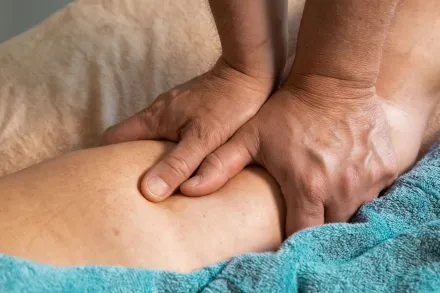
Within a single session, a skilled therapist blends techniques to achieve coordinated outcomes across muscle relaxation, tissue release, and nervous system modulation. Kneading, a classic technique, targets larger muscle groups with rhythmic compressions that promote deactivation of tight fibers and improved circulation. Friction along muscle fibers helps break up adhesions and align tissue planes in cases where chronic tension has caused alterations in tissue pattern. Gentle stroking, or effleurage, often serves as a preparatory and finishing touch that soothes the nervous system and creates a welcoming context for deeper work.
Stretching integrated into massage procedures can facilitate increased joint range of motion and reduce the mechanical constraints that contribute to pain during movement. While static stretching is sometimes used as a separate exercise, controlled, guided stretching during massage can provide immediate feedback to the nervous system, helping it recalibrate to a less protective pattern. Percussion and tapping may be used in moderation to promote tissue responsiveness and wake up underperforming muscle fibers, particularly after a period of inactivity or following intense exertion. Trigger point approaches focus on specific locations where pain radiates or is concentrated, releasing those points can yield significant decreases in referred pain and improvements in functional capacity. The art of massage rests on the practitioner’s ability to orchestrate these elements in a way that aligns with the client’s comfort, tolerance, and healing trajectory.
Technique selection is never random; it reflects an assessment of tissue texture, temperature, present pain, and movement restrictions. For example, areas that feel tense, fibrous, or tender might respond well to slower, sustained pressure, while regions with more superficial soreness could benefit from lighter touch and longer effleurage sequences. The pacing matters as well because a session that moves too quickly can provoke resistance, while a too slow approach may fail to elicit meaningful tissue changes. Thus, experience, judgment, and ongoing communication between client and therapist are essential to ensuring that the techniques employed contribute to pain relief without causing additional discomfort. The result is a session that not only eases pain but also teaches the body to tolerate and adapt to healthier movement patterns in daily life.
Evidence and Research on Massage for Muscle Pain
A growing body of research investigates the impact of massage on muscle pain across diverse populations and conditions. Systematic reviews and randomized trials have identified consistent themes: massage can reduce short term pain intensity, enhance perceived function, and promote relaxation that supports rehabilitation efforts. The magnitude of benefits can vary based on factors such as the duration and frequency of sessions, the specific techniques used, and individual characteristics like age, baseline pain levels, and tissue health. While some studies show modest improvements, others reveal more robust responses, particularly when massage is paired with exercise, education, or physical therapy. The overall strength of evidence tends to be moderate for short term pain relief and functional gains, with less certainty about long term outcomes due to the complexity of chronic pain conditions and the influence of many co occurring factors.
Limitations in the literature include small sample sizes, variability in massage protocols, and differences in how pain and function are measured. Nevertheless, the convergence of findings across multiple studies supports the practical value of massage as part of a comprehensive pain management plan. The nuance is that massage is not a cure for all muscle pain, but rather a modality that can reduce pain, improve tissue quality, and set the stage for more effective participation in movement and rehabilitation exercises. Clinicians emphasize individualized treatment plans, clear expectations about what massage can and cannot do, and careful monitoring of progress to tailor ongoing sessions to the client’s evolving needs.
Importantly, research continues to refine our understanding of how massage interacts with the nervous system, immune responses, and connective tissue remodeling. As techniques evolve and therapists gain more experience working with specific populations—such as athletes, older adults, and people recovering from injury—the potential for personalized interventions to optimize pain relief expands. In practical terms, this means that massage therapy should be viewed as a dynamic partner in pain management, one that complements other therapeutic strategies and adapts as the person’s condition evolves. Ongoing dialogue between patients and practitioners, careful documentation of outcomes, and attention to safety are essential to translating research findings into meaningful clinical benefits.
Who Benefits Most and Safety Considerations
Massage therapy can benefit a broad range of individuals dealing with muscle pain, including those with acute strains, chronic myofascial pain, postural stress, and the aftereffects of repetitive motion. People who engage in regular physical activity, as well as those who perform physically demanding work, often notice improvements when massage is incorporated into their routine. However, safety considerations are essential. Individuals with active inflammation, open wounds, skin infections, or severe conditions that affect the musculoskeletal system should seek guidance from a qualified clinician before receiving massage. Pregnancy, certain cardiovascular conditions, and recent surgery can also influence the suitability and type of massage administered; in such cases, therapists adjust pressure, positioning, and duration to protect the client while still offering benefits. A responsible massage practice includes screening, informed consent, and ongoing evaluation of how the body responds to treatment.
From a practical perspective, clients should communicate openly about pain levels, any limitations in movement, and their comfort with touch. The therapist will aim for a session length and intensity that respects these signals and gradually builds tolerance as healing occurs. If pain worsens after a session or if new symptoms appear, it is important to contact the clinician to reassess the plan. While massage is generally safe for many individuals, it is not a substitute for emergency medical care in the presence of red flag signs such as sudden, severe pain, numbness, weakness, loss of function, or trouble walking. In routine practice, the emphasis remains on creating a safe, nurturing environment where the patient feels supported, informed, and an active participant in their own recovery process.
Integrating Massage with Other Therapies
Massage therapy is most effective when integrated into a broader approach to pain management that also includes movement, posture education, and hydration. Physical therapy and targeted exercises complement the tissue changes induced by massage by strengthening surrounding musculature, improving neuromuscular control, and supporting sustainable improvements in function. In some cases, heat therapy, cold therapy, or electrotherapy may be used in conjunction with massage to address fluctuations in pain or inflammation. A collaborative model that involves communication among healthcare providers ensures that treatment plans remain aligned and mutually reinforcing. The goal is to create a coherent pathway that reduces pain, enhances tissue quality, and enables more confident participation in daily activities and sports.
Clients often discover that regular massage sessions act as a catalyst for adherence to a broader self care program. The physical benefits are accompanied by psychological gains, such as reduced anxiety about movement and improved motivation to engage in prescribed exercises. When massage is framed as part of an ongoing journey toward better function rather than a single remedy for pain, individuals tend to experience more durable improvements. The synergy between massage and other therapies underscores the importance of a holistic strategy that attends to physical mechanics, nervous system regulation, and personal wellbeing in tandem.
Self-Care and Home Practices to Extend Benefits
Beyond professional sessions, individuals can support pain relief through deliberate self care practices that reinforce the gains achieved during massage. Gentle self massage with supportive tools can maintain tissue pliability and quieten localized tenderness between appointments. Consistent hydration supports tissue health and helps flush metabolic byproducts that accumulate after activity. Mindful breathing exercises and brief relaxation protocols can complement physical techniques by enhancing the nervous system’s readiness to relax, which in turn reduces muscle guarding and pain perception. Regular movement routines that emphasize gradual loading, posture awareness, and symmetry help consolidate the improvements achieved in massage into everyday function.
Foam rolling and light myofascial release techniques are commonly recommended for self care, but they must be approached with care to avoid exacerbating pain or triggering micro injuries. The aim is to apply moderate pressure over time, maintain controlled breathing, and stop if sensations become sharp or overwhelming. The cadence of self care matters: scheduling consistent times for gentle work, and avoiding overdoing it on days with heightened pain, can preserve progress and prevent regressions. A well designed home routine supports tissue health, maintains circulation, and sustains the relaxation and neuromuscular benefits gained through professional sessions.
Nutrition and sleep also play crucial roles in how the body responds to massage and recovers from muscle pain. Adequate protein supports tissue repair, while balanced meals provide the energy required for healing processes. Sufficient sleep fosters neural recovery and reduces irritability that may amplify pain signals. Clients who align their daily habits with the insights gained from massage often observe more reliable improvements and a smoother journey toward less pain and greater function. In this sense, massage becomes not only a treatment but a catalyst for a healthier, more resilient lifestyle that accommodates ongoing physical demands and personal goals.
Overcoming Barriers: Access, Costs, and Perception
Access to massage therapy can be influenced by factors such as location, cost, insurance coverage, and personal beliefs about touch and healing. Some individuals may worry that massage is only for relaxation or that it is inaccessible due to expense. In reality, massage therapy can be adaptable to a wide range of budgets and clinical circumstances. Shorter sessions or targeted work focusing on specific problem areas may provide meaningful relief at a lower cost, while health plans and clinics sometimes offer subsidized programs for chronic pain management. Education about what massage can achieve helps demystify the process and expands its acceptability as part of standard care for muscle pain.
Perceptions about safety and suitability also shape how people engage with massage. Some people carry concerns about bruising, soreness after deep work, or the potential for exacerbating injury. Most practitioners emphasize safety and communicate clearly about expected sensations during a session. When pain is persistent or severe, clients may benefit from a cautious, gradual introduction to massage under professional supervision and with explicit informed consent. A thoughtful, transparent approach to care helps build trust and ensures that massage serves as a constructive modality within an overall rehabilitation strategy rather than a standalone remedy. By addressing practical barriers and aligning expectations, massage therapy becomes a feasible option for many individuals seeking relief from muscle pain.
Case Perspectives: Real-World Experiences
A professional athlete with recurring calf tightness found that a structured massage program combined with a tailored stretching plan reduced the frequency and duration of episodes. The therapist focused on the posterior chain, improved tissue mobility, and helped the athlete develop better movement patterns that minimized compensations. Over several weeks, the athlete reported less pain during training, improved sprint mechanics, and a greater willingness to push through workouts with less fear of relapse. While the improvements were gradual, they were meaningful enough to justify continuing the regimen as part of a long term conditioning approach. This case illustrates how massage can function as a strategic component of performance and recovery rather than a one off treatment.
A desk bound professional who experiences neck and shoulder muscle pain attributed much of her discomfort to postural strain and stress related tension. Through periodic sessions and a collaborative plan that included posture education, ergonomic adjustments, and simple daily exercises, she noticed a marked reduction in pain intensity and a broader range of comfortable movement. The therapist’s use of broad strokes to promote relaxation, coupled with targeted work on the upper trapezius and rhomboids, helped release persistent tensions that had resisted previous care. The experience underscored the value of a comprehensive approach where massage is integrated with lifestyle changes to sustain benefits over time.
A retiree with chronic myofascial pain reported that regular massage sessions provided consistent respite from diffuse muscle soreness that had limited daily activities. The sessions emphasized gentle release techniques and improved muscle hydration, accompanied by education about self care and pacing. Over several months, the individual experienced improved sleep, fewer awakenings caused by discomfort, and a renewed ability to participate in activities previously restricted by pain. The narrative demonstrates how massage can contribute to a better sense of well being and everyday functioning, even when pain persists at a baseline level.
Closing Reflections on a Painful Reality and a Brighter Path
Massage therapy offers a thoughtful, thorough approach to reducing muscle pain by engaging mechanical, circulatory, neural, and psychological processes. It is not a magic cure, but when applied with expertise, empathy, and patient partnership, massage can tilt the balance toward healing, better movement, and greater resilience. The path to relief often involves patience, consistent engagement, and a willingness to explore how touch, tissue, and movement interact in the body. By recognizing massage as one element within a broader strategy for musculoskeletal health, individuals can harness its potential while remaining open to complementary therapies and lifestyle choices that support ongoing well being. The journey toward less pain is personal and dynamic, and the massage experience can serve as a reliable anchor along the way, offering relief, education, and a renewed sense of agency over one’s own body. In this sense, the practice of massage becomes a collaborative process that honors the body’s capability to heal, adapt, and thrive through careful care, informed choices, and sustained hope. The opportunity to experience less pain and more functional life remains a tangible goal for many, and massage therapy stands as a meaningful path toward that goal.