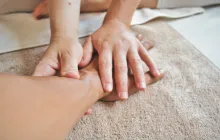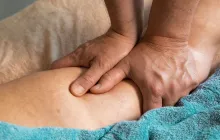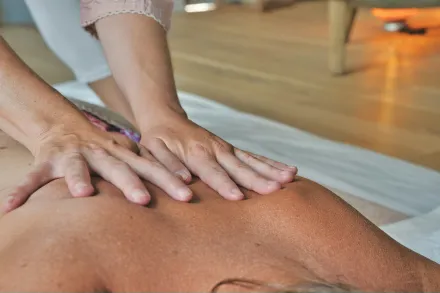
In the realm of health and healing, the lymphatic system often works quietly in the background, yet it carries a profound influence on how the body manages fluid balance, immune defense, and waste removal. Lymph, a pale and watery fluid that travels through an extensive network of vessels, is propelled not by a central pump but by the coordinated effort of muscles, bones, fascia, and breathing. This intimate relationship between motion, pressure, and flow makes gentle touch a powerful tool for supporting lymphatic drainage. When massage therapy is practiced with an understanding of lymphatic physiology, it can facilitate smoother drainage, reduce tissue congestion, and empower the body’s natural cleansing processes. The effects are subtle but meaningful, often unfolding over sessions that emphasize timing, direction, and the careful modulation of pressure to respect the delicate nature of lymphatic vessels and nodes. For many people, regular massage sessions create a palpable sense of lightness and improved tissue moisture, as well as a greater sense of overall vitality linked to more efficient fluid turnover and immune function.
The lymphatic system functions as a complementary network to the cardiovascular system, collecting interstitial fluid that leaks from capillaries and returning it to the bloodstream while also ferrying immune cells through lymph nodes that surveil for pathogens. Unlike arteries and veins, lymph vessels are thin-walled, highly compliant channels that respond to small changes in tissue tension. This sensitivity makes lymphatic flow particularly responsive to gentle, rhythmic pressure that encourages forward movement along the vessels. Massage therapists who focus on lymphatic health often pay close attention to the direction of strokes, the rhythm of contact, and the overall contour of the body, aiming to encourage a cascade of drainage toward clusters of lymph nodes such as those in the neck, armpits, and groin. The result can be a measurable improvement in edema, a reduction in feelings of heaviness, and a restoration of normal skin elasticity as interstitial fluid is mobilized and reabsorbed into the vascular system.
Beyond physical relief, massage that supports lymphatic function also has implications for immune resilience. The lymphatic system houses immune cells whose job is to detect foreign invaders and coordinate an immune response. When lymphatic drainage is sluggish, waste products and inflammatory mediators can accumulate, potentially contributing to sluggish tissue healing and a sense of fatigue. By promoting more efficient lymphatic drainage, massage therapy can help reduce inflammatory markers locally and support the body in clearing metabolic byproducts. While massage is not a panacea, it can be a meaningful noninvasive modality that complements nutrition, sleep, physical activity, and other medical treatments by maintaining an environment in which immune cells can operate efficiently and tissue repair can proceed with less obstruction from stagnant lymph. The complexity of the lymphatic system invites a thoughtful approach to therapy, one that respects individuality, tissue tolerance, and the specific goals of each person seeking relief or recovery.
To appreciate how massage can influence lymph flow, it helps to recognize the two fundamental modes at play: the local mechanical effect on tissue structure and the systemic influence of breathing and movement. The physical action of massage softens dense tissues, reduces adhesions, and increases the pliability of the fascia that envelops muscles and organs. This softening can create pathways that lymph can travel more readily, particularly in areas where congestion has built up due to injury, surgery, or prolonged immobility. On a systemic level, the body’s breathing pattern acts as a pump for lymph through the thoracic duct and the right lymphatic duct, helping to move lymph toward the central circulation. When massage is coordinated with mindful breathing and gentle relaxation, the diaphragmatic mechanism is engaged more effectively, creating a synchrony that amplifies lymph propulsion. In this integrated approach, touch becomes a conduit not only for direct mechanical movement but also for the orchestration of breathing cycles that optimize drainage throughout the body.
From a clinical perspective, lymphatic massage is often associated with modalities such as manual lymphatic drainage, a specialized technique that emphasizes light pressure and precise directional strokes. However, the broader practice of massage therapy can incorporate these principles even when the therapist’s primary focus is relaxation, rehabilitative therapy, or holistic well-being. The key aspect is to respect the lymphatic pathways and avoid heavy, brusque pressure that could impede flow or irritate sensitive tissues. Practitioners encourage clients to communicate about sensations during a session, paying attention to areas of swelling, tenderness, or postural asymmetry. The collaborative nature of therapeutic touch invites a patient-centered approach in which the therapist tailors pressure, stroke length, and pacing to align with the client’s tolerance and goals. The result is a personalized experience that supports lymphatic function while also addressing muscle tension, nerve sensitivity, and circulatory health in a cohesive, unified way.
Understanding the Lymphatic System
The lymphatic system is a vast and intricate network that extends from the smallest capillaries to large collecting vessels and nodes spread throughout the body. Lymphatic capillaries absorb excess interstitial fluid, proteins, and cellular debris from tissues, forming a fluid that becomes lymph. This lymph travels through progressively larger vessels, passing through a series of lymph nodes that filter out pathogens and present antigens to immune cells, thereby initiating adaptive immune responses when necessary. The movement of lymph depends on a combination of tissue pressure, contractility of surrounding muscles, and the rhythmic expansion and contraction of organs that share space with the lymphatic network. The walls of lymph vessels are lined with smooth muscle in some segments, and they possess valves that prevent backward flow, guiding lymph toward the central ducts where it rejoins the bloodstream at the subclavian veins. This elegant system functions continuously, even during rest, but it becomes more dynamic during activity, hydration, and regulated breathing. When disruption or stagnation occurs—such as after surgery, injury, or prolonged immobility—the lymphatic pathways can become congested, leading to swelling, stiffness, and a diminished sense of well-being. Massage therapy aims to counteract these effects by mobilizing fluid, releasing trapped metabolites, and enhancing the tissue microenvironment in which lymphatic vessels operate best.
The lymphatic network is intimately connected to the fascia, the connective tissue that envelops muscles, organs, and nerves. Fascial layers can become dense or restricted after trauma or repetitive strain, which can impede the normal glide of lymph and complicate drainage. Massage techniques that address fascial restrictions often yield secondary benefits for lymphatic flow by restoring tissue elasticity and freeing up space for fluid exchange. In addition, the body's lymphatic system interacts with the immune landscape, carrying immune cells to targeted sites and returning them to the lymph nodes for activation or regulation. A person who undergoes massage intended to support lymphatic flow may experience improvements not only in edema or swelling but also in color and texture changes in the skin, a subjective sense of lightness, and a more balanced inflammatory state in tissues that have endured chronic tension. The complexity of these interactions underscores why a thoughtful, individualized approach is essential for maximizing the benefits of massage on lymphatic function.
Discussions about lymphatic health often intersect with concepts of edema management, detoxification, and post-surgical recovery. While the idea of rapid detox through massage is overstated in popular culture, the scientific rationale for lymphatic-focused massage rests on measurable improvements in tissue fluid balance and immune surveillance. In practice, a therapist may integrate gentle strokes that encourage proximal drainage toward regional lymph nodes, careful attention to edema patterns, and strategies to avoid exacerbating discomfort in sensitive areas. The goal is not to force drainage in a single moment but to support a sustainable drainage process that respects the body's natural pace and healing trajectory. The patient’s daily routine, hydration status, and activity levels also shape the effectiveness of massage in influencing lymphatic flow, reinforcing the idea that lymphatic health arises from an ecosystem of factors rather than a single intervention. This holistic perspective aligns with contemporary approaches to rehabilitation, wellness, and preventive medicine, in which massage plays a complementary role within a broader plan that emphasizes movement, rest, and mindful self-care.
Mechanisms by Which Massage Affects Lymphatic Flow
Manual lymphatic drainage relies on light, rhythmic, and directional strokes that correspond to the path of lymph toward the regional lymph nodes. The technique operates on the principle that gentle pressure can coax lymph to move forward through the vessels without compressing the deeper vascular beds that supply tissues. In practice, therapists perform airy, feather-light effleurage along the direction of lymphatic channels, with particular attention to areas where lymph accumulates, such as the sides of the neck, the armpits, and the groin. The light touch minimizes discomfort while maximizing the probability that lymph will be captured by precollectors and lymphatic capillaries as it travels toward larger conduits. This method respects the delicate nature of lymphatic vessels and preserves their intrinsic valves, which are critical for preventing backflow and maintaining efficient circulation. Even when deep tissue work is part of a session, therapists often conclude with a sequence of lighter strokes designed to maintain a forward march of lymph through the final segments of the drainage pathway.
Aside from direct manual pathways, massage influences lymphatic flow indirectly through the modulation of tissue pressure, temperature, and nerve activity. Gentle heat from warmed hands can increase tissue pliability, reducing resistance to fluid movement. The mechanical effect on the extracellular matrix can release accumulated proteins and inflammatory mediators that may otherwise hinder drainage. Nerve inputs modulated by touch can alter sympathetic and parasympathetic balance, often promoting relaxation and improving contractile efficiency of surrounding smooth muscle. This combination of mechanical and autonomic effects creates a favorable milieu for lymph transport, particularly in areas that have experienced prior swelling or injury. Moreover, massage supports diaphysical movements of the chest and abdomen, which engage the respiratory pump that propels lymph through the thoracic duct. Slower, deeper breathing patterns encouraged during sessions can amplify this effect, aligning muscular activity with the rhythmic flow of lymph toward the central circulation. The convergence of these mechanisms underscores why lymph-focused massage is most effective when integrated into a broader lifestyle that includes regular movement, hydration, and restful sleep.
Another important mechanism involves fascia and connective tissue remodeling. When fascia becomes restricted, the pathways for fluid movement can be narrowed. Massage can help restore fascial glide by releasing cross-links and reducing adhesions between layers. This restoration of tissue mobility expands the corridors through which lymph can travel, reducing stagnation that might otherwise contribute to edema or localized inflammation. The synergy between fascial release and lymph drainage illustrates how massage operates on multiple scales, from microchanges in extracellular matrix alignment to macrochanges in tissue tone and contour. Therapists who appreciate this multi-layered effect tailor compression, stroke direction, and pacing to maintain a harmonious flow, ensuring that each layer contributes positively to lymph movement without provoking discomfort or tissue damage. By recognizing the interconnectedness of structure and function, massage therapy becomes a careful orchestration of forces intended to foster efficient drainage and tissue equilibrium.
Techniques Employed by Therapists to Support Lymphatic Drainage
Even within a single session, therapists often blend several modalities to nurture lymphatic flow while addressing related concerns such as muscle tension, circulation, and range of motion. Gentle effleurage, characterized by long, sweeping strokes, is frequently used at the outset to awaken the lymphatic system and prepare tissues for subsequent work. This initial phase is followed by light, rhythmic compressions that guide lymph toward proximal nodes, with careful attention paid to avoiding excessive pressure that could cause irritation. The sequence and modulation of touch are tailored to the individual’s tissue integrity, skin sensitivity, and underlying conditions, ensuring that the client experiences comfort and confidence in the process. In some cases, a therapist may introduce soft tissue techniques that engage the superficial layers without penetrating deeply, preserving the nuanced balance between mechanical stimulation and tissue safety. When appropriate, areas with more pronounced edema can be approached with a sequence of micro-pumps and shallow kneading motions that encourage localized drainage while maintaining a gentle touch that respects the delicate state of swollen tissues. The overall aim is to create a continuous, harmonious flow rather than an abrupt, forceful manipulation, reflecting an appreciation for the slow rhythm of lymph movement and the body's adaptive capacity to respond to well-timed cues.
Breathwork and posture are often integrated into lymph-focused sessions to enhance outcomes. Therapists guide clients through relaxed breathing, encouraging a longer exhale to promote diaphragmatic engagement and abdominal pressure changes that assist lymph propulsion. This coaching extends beyond the session, inviting individuals to practice breathing and posture awareness in daily life to sustain the benefits of treatment. In addition, some therapists incorporate light compression or bandaging in conjunction with massage to support lymphatic drainage in particular clinical contexts, such as post-surgical recovery or management of lymphedema. It is essential that such approaches are carried out under appropriate clinical supervision and with a clear understanding of the patient’s medical history and current status. While therapists may advocate certain home-care routines, they always emphasize safety, gradual progression, and the need to monitor responses to treatment, adjusting techniques if swelling worsens, skin changes occur, or discomfort intensifies. This patient-centered framework reinforces the idea that effective lymphatic therapy rests on a careful balance between touch, breathing, movement, and individualized care.
Physiological Effects and Benefits
Regular massage designed to support lymphatic flow can lead to an array of beneficial physiological changes. One of the most immediate effects is a reduction in tissue edema and swelling, particularly in limbs or areas where stagnation has accumulated due to injury, surgery, or chronic venous insufficiency. As interstitial fluid drains more efficiently, tissues regain their normal pliability, which can translate into improved flexibility and a decrease in stiffness. The enhanced clearance of metabolic byproducts and inflammatory mediators from tissues can also contribute to a calmer local environment, potentially accelerating the healing process after trauma or invasive procedures. In addition to fluid dynamics, massage can influence skin health by improving microcirculation, which supports nutrient delivery and waste removal at the tissue level. These local improvements may translate to a more radiant skin appearance, better coloration, and a sensation of warmth that reflects enhanced blood and lymphatic exchange. On a systemic level, better lymph drainage supports immune surveillance by ensuring that immune cells can circulate efficiently through lymph nodes, increasing the likelihood of timely responses to pathogens. Although the exact magnitude of these systemic effects can vary among individuals, a consistent pattern emerges: when lymphatic flow is aided by therapeutic touch, tissue environment improves, healing tends to proceed with less resistance, and the body experiences a generalized sense of vitality and balance.
Massaged tissues often register improvements in tone and contour as fluid shifts stabilize. In the context of chronic edema or post-operative recovery, individuals may notice that limbs feel lighter, swelling decreases, and the sensation of heaviness diminishes. Some clients report improved sleep quality and reduced nocturnal discomfort when lymphatic drainage improves, possibly due to a reduction in nighttime swelling and a calmer nervous system state. The experienced practitioner may also observe changes in skin texture, including a softer surface and more even hydration, as fluid distribution becomes more uniform. It is important to acknowledge that these outcomes are influenced by a constellation of factors, including hydration, activity levels, nutrition, and overall health. Therefore, massage therapy functions best as part of a comprehensive plan that honors the body’s individuality and variability from day to day. By maintaining realistic expectations and committing to regular sessions, individuals can cultivate steady, incremental improvements in lymphatic function and related wellness indicators.
Evidence and Research
The scientific literature on lymphatic massage covers a spectrum of observed effects, from case reports detailing edema reduction to controlled trials that examine changes in fluid balance and tissue perfusion. While not every study yields uniform results, a consistent theme emerges: gentle, directional massage can influence lymph movement and reduce stagnant fluid in targeted regions. Systematic reviews often highlight the positive role of manual lymph drainage in postoperative recovery, lymphedema management, and improving mobility after injuries. Researchers emphasize that the quality of technique, the intensity of pressure, and the patient’s individual anatomy are critical determinants of outcomes. It is also clear that the placebo effect, patient expectations, and the therapeutic alliance contribute to perceived improvements, reflecting the psychosocial dimensions of healing that co-occur with physical interventions. Clinicians and researchers encourage ongoing high-quality trials to deepen understanding of dose-response relationships, optimal stroke sequences, and the long-term benefits of integrating lymphatic-focused massage with exercise, compression therapy, and nutritional strategies. While scientific certainty continues to evolve, the practical experience of therapists and the testimonies of clients consistently point toward meaningful benefits when massage is applied with care, competence, and respect for lymphatic physiology.
Importantly, research underscores the necessity of individualization. People vary in their lymphatic anatomy, sensitivity, and medical history, so a one-size-fits-all approach is unlikely to yield optimal results. Clinicians who incorporate evidence-based principles with clinical judgment create space for adjustments in technique, tempo, and therapeutic goals. Some patients may respond quickly, while others may require longer engagement to see tangible changes. The evolving science of lymphatic health warrants ongoing education for practitioners and informed participation by clients, who should discuss their medical conditions, medications, and prior surgeries to ensure that massage plans align with safety considerations and personal health trajectories. In this spirit, massage therapists function not merely as technicians but as guides who translate an understanding of lymphatic biology into compassionate, precise, and evidence-informed care that respects the complexity of the human body.
Who Benefits and Safety Considerations
People who experience edema due to injury, surgery, pregnancy, or venous insufficiency may find relief through lymphatic-focused massage. Athletes and individuals recovering from strenuous training may notice faster recovery and reduced muscle soreness when fluid balance is optimized. People with autoimmune conditions or chronic inflammatory states can also benefit from improved lymph drainage, provided that treatment is individualized and properly monitored. However, certain conditions call for caution or avoidance of certain techniques. Acute infections, congestive heart failure with fluid overload, deep vein thrombosis, or active cancer in specific contexts may require medical clearance before pursuing lymph-focused massage. In the latter situation, the therapist will coordinate with the client’s healthcare team to determine safe parameters and any necessary contraindications. The overarching principle is safety and personalization: if there is any doubt about how a massage session might affect lymphatic flow in a given clinical scenario, it is prudent to seek professional guidance and discontinue treatment if adverse symptoms arise. Clear communication between client and therapist about symptoms such as fever, rapid swelling, severe tenderness, or skin changes is crucial to maintain a safe and productive therapeutic process. When performed thoughtfully, lymphatic-focused massage is a gentle and respectful modality that harmonizes with the body’s natural rhythms and supports healing without forcing outcomes beyond what the body can tolerate.
In addition to clinical safety, practitioners emphasize ethical and professional standards, including informed consent, accurate assessment, and ongoing documentation of progress. A skilled therapist will tailor sessions to the person’s comfort level, avoid excessive pressure, and adjust based on feedback. They will also educate clients about signs that warrant medical attention, such as sudden swelling accompanied by pain, warmth, or changes in skin color. By establishing a trust-based alliance, massage therapy becomes a collaborative process in which the client’s experiences guide the treatment plan, ensuring that lymphatic drainage is supported in a way that aligns with individual health needs and preferences. Safety is not a hurdle but a foundation for confidence, enabling clients to participate actively in their healing journey and to reap the most meaningful benefits from their sessions.
Self-Care and Home Practices
Beyond the professional setting, individuals can nurture lymphatic health through simple daily habits that complement massage. Regular movement, particularly activities that promote gentle muscle pumps such as walking, light stretching, or swimming, helps mobilize lymph along its natural routes. Staying well hydrated supports the transport of fluids and helps to maintain a healthy interstitial environment. Breath awareness and diaphragmatic breathing techniques can be practiced at any time, deepening the exhalation and encouraging abdominal movement that can augment lymphatic propulsion. Postural awareness and ergonomic alignment reduce unnecessary tissue compression, allowing lymph to drain with less resistance. When a person experiences swelling or tenderness, elevating the affected limb and performing careful, slow movements can further assist drainage. While home care cannot replace professional therapy for significant edema or post-surgical recovery, it can sustain the gains achieved during sessions and contribute to an overall sense of lightness and balance. Clients should approach self-care with patience and attention to how their bodies respond, gradually integrating new practices while avoiding sudden changes that might provoke discomfort. The combination of informed self-care and regular professional care creates a supportive ecosystem in which lymphatic health can be maintained and enhanced over time.
Home routines can be enhanced by gentle self-massage techniques designed for lymphatic support. Individuals can learn to apply soft, sweeping strokes along the natural drainage pathways on their own, focusing on areas such as the neck, collarbone region, armpits, abdomen, and inner thighs where lymph collects. The emphasis should be on light touch, slow tempo, and continuity rather than force. Pairing these practices with mindful breathing can deepen the effects, creating a feedback loop in which calm respiration and smooth tissue movement reinforce each other. Education about body mechanics and tissue feedback helps individuals become attuned to subtle changes in sensation, temperature, and swelling, allowing them to adjust their routines to maximize benefit. It is important to approach self-care with realistic expectations, recognizing that meaningful improvements often accumulate over time and require consistent effort, patience, and attention to bodily signals that indicate progress or caution. This empowered approach to self-care aligns with the broader goal of maintaining lymphatic health as an ongoing aspect of holistic well-being.
Integrating Massage with Other Treatments
Effective management of lymphatic health often benefits from a multidisciplinary approach. Massage therapy can be integrated with exercise programs, compression garments when indicated, and dietary strategies known to support fluid balance and tissue health. For example, gentle resistance training or mobility work can augment the muscle pumps that contribute to lymph movement, while compression devices or garments provide external assistance in reducing edema for certain individuals. Nutrition, including adequate hydration and anti-inflammatory dietary choices, complements physical therapies by minimizing tissue irritation and optimizing extracellular matrix health. Therapists may collaborate with other healthcare professionals to ensure a coherent treatment plan, particularly for individuals recovering from surgery, dealing with chronic conditions, or navigating complex medical treatments. The synergy of these modalities often yields the most robust outcomes, reinforcing the idea that lymphatic drainage is enhanced when hands-on therapy is part of a broader, patient-centered strategy that respects medical guidance and personal preferences. In practice, this means coordinating goals, timelines, and expectations across the care team and maintaining open communication with the client about progress and any concerns that arise during the treatment journey.
Common Misconceptions and Realistic Expectations
One widespread misconception is that massage can instantly purge toxins from the body. In reality, the lymphatic system clears metabolic byproducts and waste as part of normal physiology, and massage supports this process by reducing congestion and improving fluid turnover. Another misconception is that lymphatic massage is always light; while the hallmark is gentle pressure, practitioners adjust pressure to fit the tissue state and treatment goals, sometimes applying firmer contact in specific contexts to release fascia and optimize drainage without compromising safety. It is also not a guaranteed cure for all swelling or chronic edema; rather, it is a therapeutic ally that can complement medical management, lifestyle changes, and targeted rehabilitation. Realistic expectations acknowledge that benefits vary, depend on the individual, and emerge gradually with regular care. By maintaining clear communication with a licensed therapist and staying engaged with a comprehensive wellness plan, clients can cultivate meaningful improvements in comfort, mobility, and the quality of their tissue environment. The conversation around progress should be grounded in observable changes, subjective well-being, and a collaborative mindset that keeps safety and body-awareness at the forefront of every session.
Training, Standards, and Quality of Care
Professionals who practice lymph-focused massage typically undertake specialized training that covers lymphatic anatomy, physiology, palpation skills, and safe technique. Such education emphasizes the importance of light-to-moderate pressure, appropriate stroke direction, and the nuances of working with different body regions safely. Ethical standards, licensed practice requirements, and continuing education ensure that therapists maintain competency in a field where delicate tissue response and patient safety are paramount. Quality care also involves accurate assessment, informed consent, and careful documentation of swelling patterns, response to treatment, and any adverse events. Clients benefit from seeking practitioners who can articulate the rationale behind their techniques, tailor sessions to individual needs, and adjust plans based on progress and feedback. A well-trained therapist acts as a partner in healing, offering expertise, empathy, and a careful assessment of how massage integrates with other health strategies to optimize lymphatic function and overall well-being.
In clinical settings, therapists may work with surgeons, physicians, and physical therapists to design comprehensive care plans for individuals recovering from procedures or managing chronic conditions. The integration of lymphatic-focused massage into these plans is guided by evidence, clinical judgment, and patient-centered goals. The ongoing dialogue between patient and provider supports safe practice, timely adjustments to therapies, and an appreciation for the body’s remarkable capacity to adapt and recover when given space, movement, and supportive touch. As the field evolves, practitioners and researchers continue to explore how specific stroke patterns, session frequency, and combination approaches influence lymphatic outcomes, with the aim of refining best practices and expanding access to this gentle, restorative modality for a wider population. The overarching message is one of thoughtful care, where skillful hands, informed science, and compassionate attention come together to nurture the body’s lymphatic network and, with it, a broader sense of health and vitality.