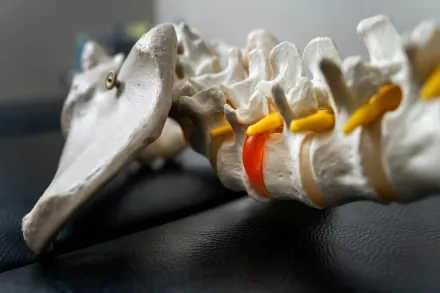
Posture and the spine: how they're connected
Posture is the living expression of how our bones align, how muscles hold that alignment, and how the nervous system communicates to coordinate movement. The spine acts as the central support column, with curves that help absorb shock and distribute loads evenly. When gravity, habitual positions, or injury disrupt these curves, nearby joints compensate, often leading to tension, restricted range of motion, and a cycle of postural changes that reinforce stiffness. The body favors efficiency, so when the spine becomes misaligned, other regions swing into compensatory patterns that can propagate through the neck, shoulders, hips, and knees. Understanding this interconnectedness is essential to appreciating how chiropractic care can influence posture in a meaningful and lasting way. In a sense, improving posture is not just about standing straighter in the moment; it is about restoring an underlying balance that supports movement and reduces wear over time.
Over years of daily activity, microadjustments and small misalignments accumulate. A sedentary lifestyle, repetitive tasks, and even the way we sleep can contribute to shifts in spinal alignment. Gentle, precise adjustments can help correct focal restrictions in joints and restore better joint play. When spinal joints move more freely, the nerves that pass through these spaces can transmit signals without excessive irritation, which in turn can facilitate more balanced muscle activity. Posture then becomes a dynamic result of a healthier relationship between the spine, the supporting muscles, and the brain’s coordination system. The goal is not to force a rigid pose but to invite the body into a state where natural alignment is easier to maintain throughout daily activity.
With better alignment, the body often experiences a reduction in misleading signals that trigger protective muscle guarding. When the nervous system receives clearer input about where the body is in space, it can orchestrate smoother, more economical movements. This can translate into less slouching when sitting, fewer forward-stretched positions during computer work, and a more balanced distribution of weight during walking. In clinical terms, improvements in segmental motion can reduce compensatory load on adjacent joints, potentially slowing the progression of wear and helping tissues recover from chronic strain. While posture is influenced by many factors, addressing spinal alignment can be a foundational step in creating a posture that supports function, comfort, and longevity of movement.
Chiropractic philosophy emphasizes that posture is not merely a matter of appearance but a practical indicator of how well the nervous system and musculoskeletal system are coordinating. When a chiropractor assesses posture, they look for asymmetries, deviations from neutral spinal curves, and areas where movement is restricted. These observations guide targeted care that aims to restore symmetry and enhance the body’s natural ability to self-regulate. The implication for daily life is tangible: with improved alignment, activities such as standing, sitting, lifting, and walking can become less taxing on the body and more sustainable over time. This holistic approach underscores that posture improvement is a facet of overall health, not a single event in a clinic. The real benefit emerges when clinical adjustments are integrated with mindful movement and ergonomic awareness outside the treatment room.
What chiropractic adjustments do to realign the spine
Chiropractic adjustments focus on the joints of the spine and, when indicated, adjacent regions such as the pelvis or upper shoulders. The central idea is to restore proper joint motion, which can reduce mechanical irritation and create a more favorable environment for muscles to function. Adjustments are delivered using controlled, precise forces designed to engage restricted joints without causing undue stress. By improving how a joint moves, the surrounding muscles can relax into healthier patterns, and the spine can assume a more stable, balanced position during everyday activities. This mechanical rebalancing sets the stage for improvements in posture that patients may feel not just during the consultation but throughout their daily routines.
Beyond the moment of adjustment, the nervous system interprets the improved motion as less threat to tissues, which can alter muscle tone and activation patterns. Muscles that had been chronically overworked in an attempt to compensate for misaligned segments may begin to regain a more balanced length-tension relationship. This can translate into easier breathing, better neck and shoulder alignment, and reduced compression in the midback region. The clinician may also address areas that are not strictly within the spine but influence posture, such as sacroiliac joints, hips, and the pelvis, recognizing that a stable base contributes to an upright upper body. The overall effect is a cascade of improvements where motion and control reinforce each other, guiding the body toward a posture that feels more natural and sustainable.
Another important facet is proprioception, the sense of where our body parts are in space. Improved joint motion can enhance proprioceptive feedback, helping the brain integrate information from the spine, core, and limbs. With clearer feedback, movement becomes more efficient, and postural corrections can occur with less conscious effort. In practical terms, patients may notice that they can sit taller or stand with shoulders more aligned without forcing the posture or dragging in excessive effort. Although adjustments are part of a broader approach, they often serve as a catalyst for improved postural awareness and more consistent alignment during daily activities.
Chiropractic care also emphasizes regular re-assessment. Posture is not static, and the benefits of adjustments may accumulate over time as the body learns to sustain improved alignment. Periodic treatment can address new patterns as stresses shift with aging, changes in activity, or different work environments. The aim is not to create a temporary change that fades, but to support a durable shift toward a posture that reduces strain and enhances efficiency. By combining precise mechanical care with ongoing evaluation, chiropractors strive to help patients maintain the gains in alignment achieved through adjustments and encourage habits that reinforce these gains long after the clinic visit ends.
Neurology and muscle balance: why alignment matters
Alignment has a direct relationship with how the nervous system governs movement. When joints are in their proper positions, nerve pathways experience less irritation from compression or restricted motion. This can influence signal quality to muscles, permitting a more balanced activation pattern across the back, neck, core, and limbs. In turn, muscles can work together rather than fighting against a misaligned structure. This harmony is essential for posture because it supports the ability to hold tall positions with less effort and less compensatory fatigue. When the nervous system receives clear input about body position, it can optimize motor commands for everyday tasks, which translates to steadier posture during activities such as walking on uneven surfaces, carrying groceries, or sitting at a desk for extended periods.
Muscle balance is not simply about strengthening one area while weakening another. It is about restoring coordinated timing and joint relationships that reduce overuse in some muscles and underuse in others. Adjustments can help release hypertonic muscles that pull the spine out of alignment and improve the function of longer, deeper stabilizers that support the spine. The outcome is a posture that sits more naturally in alignment rather than one that requires constant effort to maintain. When muscles and nerves are more harmoniously connected, the body can resist the wear and tear that often accompanies poor posture, including stiffness, soreness, and a sense of fatigue after routine activities. This neural-muscular synergy forms a practical bridge between the clinic and real life, where posture is continuously exercised and refined.
Another dimension is the often-overlooked relationship between breathing and posture. The spine and rib cage work together with the diaphragm to support efficient respiration. When posture improves, the chest can expand more fully, and diaphragmatic breathing becomes more accessible. This enhanced breathing pattern not only increases oxygen delivery to tissues but also supports a calmer nervous system, reducing tension that can further distort alignment. The cumulative effect is a more integrated posture, where airway, core stability, and spinal awareness reinforce each other through daily breathing, movement, and posture maintenance.
In practice, this translates into tangible changes the patient can notice. Improved posture can feel like greater ease in standing upright without squeezing the shoulders back forcibly. It can manifest as less neck and back fatigue after a workday, fewer headaches related to muscle tension, and a sense of spaciousness in the torso that makes breathing feel freer. While every patient’s response is unique, the common thread is that addressing spinal alignment creates a foundation on which neuromuscular systems can operate more efficiently, which supports a more consistent and sustainable posture over time.
Addressing common postural problems with chiropractic care
Forward head posture and rounded shoulders are increasingly prevalent in the modern environment, often driven by desk work, screen time, and limited mobility. These patterns place extra strain on the upper spine, neck joints, and supporting musculature, which can feed a cycle of discomfort and tension. Chiropractic care targets the joints that contribute most to these patterns, working to restore natural alignment and relieve the compensatory muscle activity that accompanies them. In practice, this can involve carefully directed adjustments to the cervical and upper thoracic spine, along with soft tissue techniques to ease muscle knots and improve range of motion. The aim is not merely to snap joints back into place but to reestablish conditions that encourage healthier postural habits during daily life.
Low back stiffness and sacral misalignment also contribute to posture-related problems. Pelvic tilt, asymmetry in hip joints, and sacroiliac dysfunction can alter the way weight is distributed through the spine and legs. Addressing these foundational elements can help bring the pelvis into a more neutral position, which supports an upright upper body and reduces compensatory strain higher up the chain. By rebalancing the pelvis, clinicians often see improvements in standing balance, gait, and functional tasks that require endurance. As posture improves, patients may notice less lower back soreness during prolonged sitting or standing and an enhanced ability to engage in activities that require core stability and spinal integration.
Another focal area is the thoracic spine, which often becomes stiff or rotated due to habitual postures. When the thoracic region loses its natural mobility, the neck and lower back may bear more load, leading to a cascade of compensations. Chiropractic adjustments in the thoracic region can restore a smoother range of motion, allowing the rib cage and shoulders to align more harmoniously. This can reduce puffiness in the chest, ease shoulder blade movement, and support a more neutral alignment of the neck. The result is a posture that feels less forced and more supported by the spine’s inherent curves rather than by muscular tension alone.
In addition to targeted adjustments, chiropractors frequently integrate soft tissue therapies, stretching, and patient education into the care plan. These elements are designed to augment the mechanical benefits of adjustments and empower patients to participate actively in improving posture. Through tissue release, lengthening of shortened muscles, and guidance on posture-aware movements, patients learn how to sustain gains between visits. The objective is not a quick fix but a durable progression toward a posture that reduces strain, enhances comfort, and supports everyday function with less perceived effort or fatigue.
What to expect during a chiropractic session
A typical session begins with a careful interview and examination to understand symptoms, daily activities, and previous injuries that might influence posture. The clinician observes static posture, assesses joint mobility, and uses palpation to identify areas of restricted motion and muscle tension. This diagnostic process informs a tailored care plan that may include adjustments, soft tissue work, and targeted exercises. An important aspect of care is communication; patients are invited to share how they experience movement and where they notice improvements or remaining tension. This collaborative approach helps ensure that the care provided aligns with the patient’s goals and functional needs.
During the adjustments, the practitioner applies controlled forces to specific joints. The goal is to engage restricted segments and restore smoother motion while maintaining comfort and safety. Some people feel a brief sensation of release or a shift at the moment of adjustment, while others notice subtle changes only after repeated sessions. Regardless of immediate perception, many patients report a gradual improvement in how their spine feels and moves as sessions accumulate. The frequency and length of visits vary based on age, activity level, baseline posture, and response to treatment, with the overarching aim of guiding the body toward lasting postural improvements rather than fleeting relief.
Beyond the mechanical aspects, clinicians often discuss lifestyle and ergonomic factors that influence posture. They may offer guidance on chair height, monitor placement, and desk setup to encourage spinal neutrality during work or study. They may also suggest simple daily routines, such as mindful standing, gentle stretches, and breathing exercises designed to enhance core stability and postural awareness. The combination of hands-on care and practical education helps patients translate clinic gains into real-world improvements, enabling more natural alignment across a variety of environments and tasks.
It is important to recognize that postural change is a gradual process. Initial sessions might yield noticeable shifts in comfort and range of motion, while more significant, durable changes can require weeks or months of consistent care. The body often requires time to reset patterns that have persisted for years, and progress can be incremental. A well-structured plan that includes regular visits, home exercises, and attention to daily habits tends to produce the most meaningful and sustainable postural improvements. Patience and commitment, in this context, are part of the therapeutic strategy that helps patients achieve and maintain better alignment over the long term.
As patients experience improvements, chiropractors monitor progress through repeated observations and objective measures, such as range of motion tests and functional assessments. These evaluations help refine the treatment plan, ensuring that adjustments remain targeted and effective. The ongoing feedback loop between patient experience and clinical assessment enhances the likelihood that posture will continue to improve, reduce unnecessary tissue strain, and support a higher level of daily functioning. The care plan becomes a dynamic, evolving partnership aimed at sustaining posture improvements across life’s many activities and stages.
Scientific perspectives on posture improvement through adjustments
The scientific landscape surrounding chiropractic care and posture is diverse, with research indicating that manual therapies can reduce pain, improve range of motion, and influence functional outcomes related to posture. Some studies explore changes in spinal range of motion after adjustments, while others examine proprioceptive and neuromuscular adaptations that accompany improved alignment. While results can vary, a common thread is that adjustments may contribute to more efficient movement strategies and reduced tissue tension when paired with exercise and habit changes. This body of evidence supports the clinical observation that posture can improve as part of a comprehensive approach to spine health.
Broader reviews emphasize that posture is multifaceted, influenced by biomechanics, neuromuscular control, and environmental factors such as workstations and sleep arrangements. Therefore, while chiropractic adjustments can play a meaningful role, lasting posture improvement typically arises from integrating manual care with activity modification, strengthening, stretching, and ergonomic optimization. Critics of simplistic claims remind practitioners and patients alike that posture health is not achieved by a single intervention but through a combination of strategies that reinforce one another over time. This balanced view helps patients set realistic expectations and engage in a plan that aligns with evidence-based practice.
Neurophysiological studies have begun to map how improved joint mobility and reduced segmental irritation might influence motor control and muscle activation patterns. In some cases, changes in muscle recruitment sequences have been observed after manual therapies, suggesting that the nervous system may adapt to a more favorable mechanical environment. While such findings require further replication and broader scope, they offer a plausible mechanism for how adjustments could support postural improvements beyond immediate joint mobility. Clinicians often present these possibilities to patients as part of education about how care may unfold over time.
From a clinical perspective, interpretation of research findings should consider individual variability. Some patients experience rapid benefits, while others notice gradual changes as their tissues adapt and compensatory patterns unwind. This diversity underscores the importance of personalized care plans that respect each person’s history, goals, and lifestyle. The best outcomes typically come from a thoughtful blend of precise adjustments, rehabilitative exercises, consistent practice of good posture, and attention to daily habits that contribute to long-term spinal health.
Integrating adjustments with exercises and daily habits
Effective posture care extends beyond the clinic walls. Home-based exercises that promote core stability, thoracic mobility, and hip flexibility can reinforce the gains achieved through adjustments. Gentle activities such as diaphragmatic breathing, mindful stretching, and posture-aware walking can help maintain an upright alignment while reducing unnecessary tension. The key is to choose movements that respect individual limitations and gradually build competence, rather than pursuing aggressive routines that may provoke discomfort. In practice, a balanced program blends hands-on care with accessible at-home strategies that fit into daily life.
Ergonomics plays a pivotal role as well. A workstation designed to support the natural curves of the spine reduces the likelihood of postural regression between visits. Practices such as adjusting chair height so feet rest flat, aligning the monitor at eye level, and maintaining a neutral wrist position during typing can all contribute to sustained improvements. Even small adjustments, made consistently, can add up to meaningful changes in how the body carries itself throughout the workday. The synergy between proper ergonomics and regular adjustments can create a supportive environment for posture to improve and endure.
Consistency is essential because posture is a dynamic attribute that changes with activity, stress, and aging. Regular sessions, combined with a supportive home program, can help establish and preserve healthier muscular patterns and joint mechanics. When patients see that improvements in posture align with better comfort and function, they are often more motivated to continue their care plan. This motivational aspect can be as important as the mechanical changes because it sustains engagement with healthy habits that promote long-term outcomes. As posture improves, people frequently report a sense of confidence and ease in daily movements, which further reinforces the behaviors that sustain alignment.
In addition to exercises and ergonomics, education about how to monitor posture throughout the day empowers patients to become active participants in their own care. Simple awareness cues, such as checking neck and shoulder position during phone use or adopting a brief standing routine after periods of sitting, can gradually transform everyday habits. The combination of education, self-monitoring, and professional care creates a comprehensive framework for lasting posture improvement that extends well beyond the clinic’s doors. This approach respects individual differences while providing a clear pathway toward human movement that feels natural, balanced, and sustainable.
Ultimately, the aim of integrating adjustments with exercises and daily habits is to create a resilient posture that supports health across life’s varied contexts. Whether standing in line, walking through a park, or performing tasks at a workstation, a well-aligned spine and coordinated muscular effort reduce strain and enhance efficiency. This holistic perspective acknowledges that posture is not a single technique but a living system that responds to how we live, move, and care for our bodies day after day. By combining precise spinal care with practical lifestyle strategies, chiropractic care can contribute to posture that endures, supports function, and aligns with personal well-being goals.
Maintaining postural benefits over time
To maintain improvements, it helps to view posture as an ongoing process rather than a one-time outcome. Regular check-ins with a chiropractor can help detect emerging misalignments early and adapt the care plan to evolving needs. Consistency in performing prescribed exercises, mindful movement, and ergonomic adjustments can reinforce gains, making it easier to sustain a healthier posture amid the rhythms of daily life. The body responds to steady stimuli, so predictable routines often yield the most reliable long-term results.
A supportive lifestyle also contributes to lasting posture health. Adequate sleep on a supportive surface, hydration for tissue health, balanced nutrition, and stress management all influence how our bodies hold alignment. When the nervous system feels secure and tissues remain well-nourished, the spine is better prepared to maintain its natural curves and resist degenerative patterns that can accompany aging. While posture may shift with life events and physical changes, a well-rounded approach that includes chiropractic care, exercise, sleep, and daily habit adjustments offers the best odds for preserving an upright, balanced frame.
Moreover, as posture improves, individuals may notice compounding benefits in other areas of health, such as reduced neck or back pain, improved energy, and greater ease during movement. These improvements often reinforce the desire to maintain healthy habits, creating a positive feedback loop that supports ongoing posture health. The long-term perspective emphasizes that posture is a dynamic attribute, and fostering it requires attention, patience, and commitment to a plan that aligns with personal goals and daily routines.
In clinical practice, outcomes are shaped by the patient’s activation and engagement. When people participate actively—by reporting changes, performing home exercises consistently, and applying ergonomic principles—care plans tend to be more effective and enduring. The chiropractor’s role is to guide, educate, and facilitate this process, offering adjustments that complement self-care strategies rather than relying solely on passive treatment. This collaborative dynamic empowers patients to take ownership of their posture and health, reinforcing the lasting impact of chiropractic adjustments on everyday alignment and well-being.
Ultimately, the journey toward better posture through chiropractic care is about restoring a balanced interaction among bones, muscles, nerves, and environment. Each adjustment can contribute a small but meaningful shift in alignment, and when combined with thoughtful movement, ergonomic awareness, and healthy habits, these shifts accumulate into a posture that feels more natural and less burdensome. The goal is not a rigid posture but a sustainable balance that supports comfortable, functional living across activities, ages, and life circumstances. In this sense, chiropractic adjustments are one element of a broader strategy to honor the body’s structure and capacity, encouraging posture that reflects both health and everyday vitality.
As people move through daily life, the interplay between posture and function becomes increasingly evident. A well-supported spine often correlates with a more comfortable stance, easier breath control, and improved coordination. These factors together can reduce the likelihood of fatigue, pain, and impairment that arise from chronic postural strain. By focusing on the spine’s alignment and its connection to the nervous system, chiropractic care offers a pathway to posture that is practical, biological, and tuned to the realities of modern living. While every patient’s trajectory is unique, the shared objective remains clear: to cultivate a stance that enables better movement, more energy, and a greater sense of ease as we navigate the world.
In summary, chiropractic adjustments contribute to posture by restoring joint mobility, reducing neural irritation, and supporting muscular balance. They function best as part of an integrated program that includes exercise, ergonomics, and lifestyle choices that reinforce healthy alignment. The resulting posture is not only more aesthetically pleasing but also more efficient, resilient, and capable of withstanding the demands of daily life. Through careful assessment, skilled manual therapy, and holistic guidance, chiropractors help individuals reestablish the spine’s natural curves and the body’s innate capacity to hold itself upright with comfort and confidence. This collaborative process supports not just posture but overall vitality, mobility, and well-being for the long term.
Safety, considerations, and choosing a practitioner
Selecting a chiropractor involves assessing credentials, approach, and personal fit. It is reasonable to seek practitioners who emphasize patient education, clear communication, and a conservative, evidence-informed approach before considering more intensive interventions. A good clinician will discuss goals, potential benefits, and any precautions related to posture improvement, tailoring care to the patient’s health history and current needs. This thoughtful alignment between patient and clinician helps establish trust and sets the stage for a constructive care experience focused on sustainable posture improvement.
Patients should feel welcome to ask questions about the rationale behind specific adjustments, the expected timeline for improvements, and the role of at-home strategies. Safety is paramount, and most individuals can benefit from chiropractic care when delivered by qualified professionals who adhere to established screening and safety protocols. If there are systemic health concerns or acute injuries, the clinician may coordinate with other healthcare providers to ensure that posture-focused care is appropriate and safe. This collaborative stance further supports the patient’s well-being and the integrity of the treatment plan.
Understanding personal limitations is part of responsible care. Some conditions may require cautious approaches or alternative therapies. The practitioner will discuss any contraindications and adapt the plan accordingly, prioritizing patient safety and comfort. In many cases, posture improvement emerges from a staged process that respects the body’s pace of change, allowing joints, muscles, and nerves to adapt gradually to new patterns of alignment. The emphasis remains on achieving meaningful, comfortable improvements rather than rapid, forceful corrections that may provoke unnecessary strain.
For those considering chiropractic care for posture, it is helpful to set realistic expectations. While many patients experience noticeable enhancements in alignment and comfort, results vary and depend on factors such as age, overall health, and adherence to a comprehensive care plan. Viewing adjustments as part of a broader lifestyle strategy—one that includes movement, posture awareness, and ergonomics—offers the best framework for lasting gains. With thoughtful care, posture improvements can become a natural byproduct of managing the spine’s health, rather than a single intervention that addresses symptoms in isolation.
In practice, the journey toward better posture through chiropractic care is a collaborative, ongoing process. The clinician provides skilled manual therapy, thoughtful guidance, and monitoring, while the patient contributes effort, consistency, and openness to adjust daily habits. This partnership creates a pathway toward a posture that supports daily activities with greater ease, reduces the burden on supporting tissues, and enhances overall well-being. By approaching posture as a holistic attribute embedded in movement, environment, and physiology, chiropractic care offers a credible and practical route to lasting improvement.