Understanding neck pain and why acupressure matters
The neck is a complex structure that connects the head to the rest of the torso, and its muscles, joints, nerves, and soft tissues work together to provide support, flexibility, and range of motion. When everyday stress, prolonged poor posture, or minor injuries accumulate, the muscles in the neck can tighten, leading to stiffness, aching that can radiate toward the shoulders and upper back, and sometimes headaches. This reality affects people across ages and occupations and can disrupt sleep, focus, and daily enjoyment. Acupressure enters this process as a practical and accessible approach that relies on the body’s own tendencies toward relaxation and healing. By applying careful finger pressure to specific spots, one can influence muscle tension, promote blood flow, and create a state that makes it easier for the neck to move without guarding or pain. The method is gentle, can be learned at home, and is frequently used alongside other treatments to enhance overall comfort. Understanding why acupressure may help requires a look at how touch can interact with muscle activity, nerve signaling, and the body’s natural capacity for self-regulation, all while honoring individual variation in what feels soothing or effective. When used with patience and respect for limits, acupressure has the potential to reduce tightness, improve posture awareness, and support a calmer nervous system that helps neck pain lessen over time. This opening section sets the stage for a closer look at what acupressure is, how it is believed to work in traditional and modern contexts, and how it can fit into a balanced self-care routine.
What acupressure is and how it differs from acupuncture
Acupressure is a traditional healing practice that uses manual pressure applied with the fingertips to specific locations on the body. The goal is to influence energy flow, known in traditional theories as qi, and to stimulate a physiological response in muscles, nerves, and connective tissue. Unlike acupuncture, which inserts thin needles into the skin at precise points, acupressure relies on touch and pressure without breaking the skin. The hands, a certain degree of pressure, time, and a steady breathing rhythm often come together to create a sensation that ranges from gentle warmth to a deeper, more noticeable pressure. In practice, acupressure acknowledges that the neck is interactive with the head and upper back, that tension can accumulate from postural challenges, and that comfort and relaxation are essential components of sustained improvement. By design, it invites a careful, patient approach—one that emphasizes listening to the body’s signals and adjusting the technique to match how the neck and surrounding areas respond. This distinction matters because it positions acupressure as a flexible tool that can be used alone or as part of a broader plan, coordinating with stretches, ergonomic adjustments, and mindful breathing to support a gradual return to freer movement and reduced pain.
The science behind how acupressure may reduce neck pain
From a biomedical perspective, acupressure can influence several systems at once. When pressure is applied to muscles in the neck, local blood vessels may dilate, improving blood flow and the delivery of oxygen and nutrients to tissues that have become tense. This enhanced circulation can help remove byproducts of muscle metabolism that may contribute to soreness. At the same time, pressure stimulates sensory nerves that can modulate pain signaling in the brain and spinal cord, potentially triggering the release of natural pain-relieving substances such as endorphins and endocannabinoids. In many people, this combination yields a feeling of relief and a reduction in the sense of tightness. Beyond the muscular level, touch-based interventions can reduce sympathetic arousal, lowering the “fight or flight” response that often accompanies neck discomfort. A calmer nervous system supports better sleep, less clenching during rest, and more comfortable daily activities. While the precise mechanisms can vary from person to person and depend on the type of neck pain, the convergence of improved circulation, neuromodulation, and relaxation provides a plausible basis for why regular, mindful acupressure sessions can contribute to meaningful improvements over weeks and months, especially when paired with good posture and gentle movement.
How to prepare for an effective session
Preparing for an acupressure session means creating a calm, comfortable environment and allowing time for the body to respond without rush. A quiet space with comfortable seating or a supportive surface, warm hands, and clean touch can make a big difference. It helps to begin with a few minutes of slow, diaphragmatic breathing to ease the mind and soften the muscles in the neck and shoulders. As you place your hands on the body, quiet expectations can support better listening to sensations. A gentle approach paired with active attention to what feels soothing helps prevent irritation from overly strong pressure. Hydration after a session can assist in the recovery process, and wearing comfortable clothing allows easy access to the neck and upper back areas. Before starting, it is wise to consider any personal limitations, such as areas of recent injury or skin sensitivity, and to adjust the technique accordingly. The right setup involves patience, a focus on breathing, and a readiness to adjust pressure and duration based on feedback from the body rather than adhering to a fixed script.
Key acupressure points for neck pain
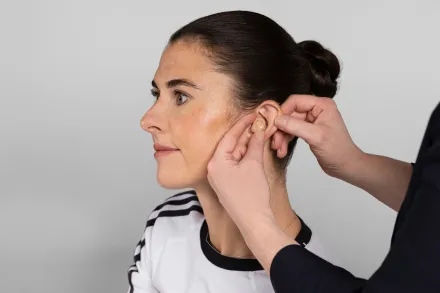
In the practice of acupressure, several points around the neck and upper back are commonly used because they are believed to influence muscle tension, circulation, and nerve pathways in that region. One widely used point is located at the base of the skull near the neck where the muscles attach to the skull; pressing here can help release soreness that radiates from the upper neck into the head. Another important area sits along the sides of the neck, near the shoulder, where gentle pressure can help ease stiffness and reduce the sensation of tightness that often accompanies posture-related pain. A third point lies along the midline of the upper back, just below the base of the skull, offering a pathway to reduce muscle guarding in the suboccipital region and promoting longer, more even neck movement. When performing self-treatment, the technique is typically to apply steady, comfortable pressure with the pads of the fingertips, hold for several breaths, and then move slowly to adjacent points as the body allows. It is important to stay within a comfortable range and avoid pressing directly onto bony structures or inflamed areas. The goal is to encourage relaxation and gradual relief rather than to force a quick fix, and each person may respond differently to these locations, which is why personalization and listening to bodily cues are essential components of effectiveness.
Technique and application: how to perform acupressure on the neck
The practical application of neck acupressure begins with awareness of the body’s lines of tension and a plan to approach them with care. Using the pads of the fingers, apply a firm but gentle pressure to each target area, maintaining contact for a count of several breaths before moving to the next point. The pressure should feel like a steady press rather than a sharp poke, and it should be adjusted based on how the neck and shoulders respond. The technique often includes small circular motions at each point, with the direction chosen to follow the natural contours of the muscles. As the hands move, it can be helpful to coordinate breathing, exhaling as pressure builds and inhaling as pressure is held, creating a rhythm that mirrors the body’s relaxation response. Some people find it beneficial to alternate pressure on multiple points in a single session, allowing a moment of rest between clusters of points and revisiting areas that feel particularly tense. Over time, this approach can support a broader sense of ease in the neck, a longer range of motion, and a reduction in the frequency or intensity of discomfort episodes. It is important to proceed slowly, especially when starting out, and to respect personal limits to avoid muscle strains or skin irritation.
Incorporating breathwork and mindfulness into acupressure
Breathwork and mindfulness can enhance the effects of acupressure by guiding attention to how the body responds to touch and pressure. A slow, steady breath can help decrease muscle tone and calm the nervous system, creating a more receptive state for relief. Mindfulness invites nonjudgmental observation of sensations: noticing where tension is greatest, how the skin responds to pressure, and when the body begins to soften. As you explore different points, you may notice a shift in sensation from stiffness to warmth or from sharpness to a dull, easing ache. Both breath and awareness support a practice that is not purely mechanical but integrated with the body’s natural healing tendencies. In addition, mindful pauses between points provide an opportunity to check in with posture and to adjust body alignment so that every session contributes to a more balanced stance during daily activities. Introducing these mental components can transform a routine into a holistic process that nourishes both body and mind.
Step-by-step self-treatment routine for neck pain
A well-rounded routine starts with a warm preparation that softens the tissues and reduces resistance to touch. After a brief settling-in period, move gently to the first set of points, applying steady pressure and taking several breaths to allow the muscles to respond. Progress through each point methodically, allowing time for release and reassessment at each stage. If a point feels particularly tight, linger a little longer to facilitate release, then shift to nearby areas to maintain a balanced approach. Throughout the session, maintain a relaxed posture in the shoulders and upper back, ensuring that the neck is supported and not forced beyond a comfortable range. After completing the points, conclude with light, soothing strokes along the back of the neck to promote a gentle cooling-down effect. Hydrating afterward can help support tissue recovery, and a short period of rest may consolidate the relaxation achieved during the session. Although a single session can provide relief, the cumulative effect over multiple sessions tends to be more noticeable and enduring, particularly when combined with consistent posture awareness and gentle mobility exercises that respect the body’s pacing.
Safety, precautions, and when to avoid acupressure
Acupressure is generally safe when performed with care, but certain situations require caution or professional guidance. Do not press over open wounds, skin infections, or areas with recent surgery or acute injury. People with certain medical conditions, such as severe neck instability, blood clot concerns, or neurological symptoms that accompany neck pain, should seek medical advice before practicing at home. Pregnancy, particularly in the early stages or in cases with a history of complications, may require adjustments to technique or avoidance of specific points, depending on professional guidance. If pain worsens with pressure, if there is numbness or tingling beyond the neck, or if there is any sudden change in strength or function, discontinue self-treatment and consult a healthcare provider. It is also prudent to avoid aggressive or sharp pressure and to stop if there is any dizziness, chest discomfort, or faintness. The overall aim is to support comfort and function, not to produce discomfort or risk, and listening to the body's feedback remains a critical component of safe practice.
Integrating acupressure with posture improvement and gentle movement
Neck pain frequently arises or persists in the context of sustained poor posture and limited movement. Integrating acupressure with posture improvements can amplify benefits. Simple changes, such as adjusting the height and angle of computer screens, aligning the ears over the shoulders, and adopting a neck-friendly stance during daily tasks, can reduce baseline tension. Gentle mobility work, including slow neck circles and forward-backward tilts conducted within a comfortable range, can complement acupressure by encouraging tissues to adopt a more flexible pattern. When movement is paired with strategically applied pressure, the nervous system receives signals that relief is possible, which can reduce guarding behavior and improve sleep quality. This holistic approach recognizes that hands-on techniques are most effective when they are part of an ecosystem of daily practices, rather than isolated actions that may offer temporary relief alone. The result is a steadier, more resilient neck that better withstands the stresses of modern life.
Combining acupressure with heat, cold, and topical comfort
Many individuals find that combining acupressure with external comfort modalities can enhance outcomes. A warm, damp cloth placed near the neck after a session may prolong the relaxing state by keeping tissues pliable. In some cases, a cool compress can help ease specific inflammatory sensations. The combination of heat and pressure opens the possibility for deeper relaxation, especially in the upper trapezius and suboccipital muscles. It is important to monitor skin tolerance and avoid extreme temperatures. If a topical balm or oil is used, ensure there is no skin sensitivity or allergy, and apply a small amount to confirm tolerance before proceeding with pressure. The strategy of layering modalities—gentle touch, warmth, and mindful movement—supports a broader approach to neck health that respects the body’s rhythms and avoids overstimulation.
When to seek professional guidance and how to find a qualified practitioner
Professional guidance can be valuable when neck pain is persistent, of unclear origin, or accompanied by neurological symptoms. A qualified practitioner can tailor acupressure protocols to an individual’s anatomy, health history, and comfort level, ensuring safe practice and maximizing benefit. Seeking someone with reputable credentials and a patient-centered approach is important. In addition to in-person sessions, some clinicians offer guided home programs that combine self-applied techniques with education about posture, ergonomics, and gradual progression of movement. The relationship between a practitioner and a client often fosters ongoing feedback, which helps refine pressure locations, intensity, and duration to align with evolving needs. With attentive care and clear communication, acupressure becomes part of a broader, well-rounded plan for neck health rather than a single remedy for all cases.
Potential benefits beyond pain relief
Beyond reducing pain, acupressure can contribute to improvements in sleep quality, mood, and overall sense of well-being. When the nervous system relaxes more readily, people often notice a reduction in headaches associated with muscle tension and a calmer response to stress. Improved neck mobility can enhance daily performance, from turning to look behind while driving to participating in hobbies that require a comfortable range of motion. Some practitioners observe that regular, mindful touch helps individuals cultivate a greater sense of body awareness, which in turn fosters better posture, more deliberate breathing, and a gentler approach to self-care. Experiences can vary widely, but for many, acupressure becomes a practical tool that complements other healthy habits, reinforcing the idea that small, consistent steps can yield meaningful improvements over time.
Long-term practices for sustaining neck health
Establishing a sustainable routine involves consistency and attentiveness to the body’s changing needs. A sustainable approach includes regular short sessions, a focus on maintaining good posture during daily activities, and a balanced mix of rest, movement, and mindful attention. By integrating acupressure into a broader health plan, individuals can promote resilience in the neck area without relying exclusively on episodic treatment. When practiced with thoughtful pacing, acupressure supports a daily life that values comfort, mobility, and ease of expression through movement. The cumulative effects of steady care may manifest as fewer flare-ups, more energy for tasks that require neck function, and a heightened sense of agency over one’s own well-being. This kind of ongoing engagement can transform acupressure from a temporary relief measure into a reliable partner in maintaining neck comfort and overall balance.
A practical mindset: listening to the body and adapting over time
One of the core strengths of acupressure lies in its accessibility and adaptability. Each person’s neck presents a unique blend of tension patterns, posture habits, and sensitivity to touch. A practical mindset invites steady curiosity rather than rigid expectations. If a particular point feels more effective on certain days, it is reasonable to spend more time there, while on other days it may be beneficial to shift focus to other regions. This flexible approach respects the idea that the body changes with sleep, weather, stress levels, and activity. By staying attuned to how the neck responds to pressure, breathing, and movement, individuals can refine a personal protocol that remains comfortable, sustainable, and effective. The emphasis on listening nurtures a cooperative relationship with the body, in which the practitioner and the patient participate in a shared process of healing and ongoing maintenance rather than a one-time intervention.
Case considerations: adjusting expectations and recognizing limits
Individuals experiencing chronic neck pain often carry a history of strains, work-related postures, or past injuries. While acupressure can relieve tension and improve circulation, it is rarely a stand-alone cure for complex structural issues. It is important to set realistic expectations, appreciating that progress may be gradual and nonlinear. Some days may bring noticeable relief, while others might feel less dramatic. The goal remains consistent improvement in function, reduced stiffness, and a sense of greater control over symptoms. If a person has a condition that affects nerve function, bone integrity, or vascular health, it is wise to coordinate acupressure practice with medical advice to ensure safety and to align practices with medical recommendations. In this way, acupressure supports a patient-centered plan that honors both personal experience and professional guidance.
Putting it all into practice: a balanced, mindful approach to neck health
Ultimately, the value of acupressure lies not merely in the momentary relief it provides but in how it fits into a balanced lifestyle that prioritizes neck health. When practiced with care, patience, and a willingness to adjust to personal feedback, acupressure can become a reliable companion for reducing tension, enhancing circulation, and supporting a calmer nervous system. Its simplicity is part of its power: hands, breath, and attention can catalyze meaningful changes without the need for complex equipment or invasive techniques. By combining gentle touch with ergonomic awareness, light movement, and mindfulness, individuals can cultivate a sustainable habit that preserves neck mobility and reduces discomfort over time. This approach honors the body's capacity to heal and to respond to compassionate, informed care, offering a practical path toward greater daily ease and long-term well-being.