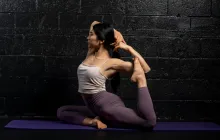
Introduction to the mind-body connection through yoga
Yoga has been practiced for millennia as a discipline that invites attention to the breath, movement, and awareness of body signals. In modern life, this ancient framework resonates with what contemporary science describes as mind-body integration, a dynamic interaction between brain activity, bodily sensations, hormone signaling, and emotional experience. When a person begins a yoga session, the mind is often invited to slow down, the breath lengthens, and the muscles respond with a gentle resistance that grounds the body in the present moment. In this sense, yoga becomes more than a simple exercise regime; it is a practice that retrains the nervous system to respond with clarity rather than reactivity, and it offers a reliable pathway to cultivate steadiness amid the noise of daily life.
The experience of yoga is not merely physical; it is a holistic invitation to notice how each inhale nourishes the nervous system and how each exhale releases tension. As awareness deepens, the practitioner learns to approach sensations with curiosity rather than judgment, creating a relationship with the body that supports self-care, confidence, and a sense of safety. In this light, yoga serves as a practical education in resilience, offering a structured method to explore how thoughts, feelings, and bodily states are interconnected. The result is a more integrated sense of self, a reduced sense of fragmentation, and a greater capacity to ride the waves of daily life with equanimity and discernment.
Physiological foundations: how yoga affects the body
In studying how yoga influences physiology, researchers frequently emphasize shifts in the autonomic nervous system, the system that governs the fight, flight, and rest responses. Regular practice tends to nudge the balance toward parasympathetic dominance, often described as the rest-and-digest state, which is associated with reduced heart rate, lower blood pressure, and slower breathing. This shift does not mean the body becomes weak or passive; rather, it reflects a state of greater autonomic flexibility, where the body can more readily switch between states as needed. Over weeks and months, the repeated exposure to mindful breath and controlled movement can enhance vagal tone, a marker of the nervous system’s ability to regulate emotional and physiological responses. As the breath slows and deepens during asanas and transitions, the heart rate decelerates in a controlled fashion, and gas exchange in the lungs improves, allowing more oxygen to reach the tissues and more carbon dioxide to be expelled. This physiological cascade supports sustained energy, better tissue nourishment, and a foundation for mental clarity.
Another layer concerns the muscular and skeletal framework. Yoga trains postural awareness and muscular balance, which can reduce unnecessary strain on joints and connective tissues. The slow, deliberate transitions encourage proprioceptive feedback—the sense of where the body is in space—which supports safer movements and improved coordination. When joints move through their ranges of motion with mindful alignment, cartilage health benefits from gentle sustained compression and nourishment. The cumulative effect is often felt as improved mobility, reduced stiffness, and a more resilient musculoskeletal system that can better tolerate daily tasks and sport-related activities. This integrated physical foundation supports confidence in daily life, increases capacity for ongoing activity, and undergirds emotional stability by reducing bodily tension that can become a substitute for stress or anxiety. Taken together, these physiological shifts create a platform where mental processes can unfold with greater ease, focus, and composure.
Breathwork and the nervous system
Breath is not merely a symbol for calm, it is a tangible instrument that modulates brain activity and bodily states. Through practices that emphasize diaphragmatic breathing, paced inhalation and exhalation, and breath-holding within safe limits, yoga offers a practical method to tune the autonomic nervous system. When inhalation expands the chest and abdomen, it stimulates the vagus nerve in a way that can calm the nervous system after a stressor. Exhalation, when lengthened and slowed, supports the maintenance of a restful state and helps to reduce sympathetic arousal. In daily life, even short bouts of intentional breathing can act as a reset button, reducing perceived stress and sharpening attentional focus. The benefits accrue with consistency; a quiet breath practice woven into morning routines or afternoon breaks becomes a portable toolkit for managing tension, improving concentration, and sustaining mood stability throughout the day.
Breathwork also engages the respiratory system in a way that reinforces a balanced autonomic tone. Slow, steady breathing supports efficient gas exchange, which can widen the margin for cognitive processing and emotional regulation. As the nervous system learns to operate more calmly under load, the brain circuits responsible for executive function—planning, problem-solving, and flexible adaptation—benefit from more reliable input and less disruptive fluctuations. In practice, this means that tasks requiring steady attention and calm decision-making become more accessible, even in the face of distractions or time pressure. The deliberate coordination of breath with movement sustains that state of poised readiness, turning the mat into a training ground for daily life where the choice to pause, breathe, and proceed thoughtfully becomes habitual rather than exceptional.
Impact on mental health and emotional regulation
One of the most compelling areas of yoga research concerns mental health and emotional regulation. Regular practice fosters an inner environment in which negative emotional experiences are acknowledged without being overwhelmed by them. By cultivating present-moment awareness, practitioners learn to observe thoughts and feelings with less reactivity, a skill that contributes to reduced rumination and improved mood resilience. The mind is trained to notice subtle shifts in attention, enabling a person to gently redirect focus away from anxious loops toward bodily sensations, sounds, or breath. Over time, these capacities translate into better coping strategies for stress, lower levels of perceived burden, and enhanced sense of self-efficacy. While yoga is not a substitute for clinical treatment when required, it often complements psychotherapy and pharmacological approaches by providing tools that support emotional regulation, resilience, and a more adaptive response to life’s challenges.
The contemplative aspects of yoga also encourage compassionate self-observation. Rather than harsh self-judgment in the face of difficulty, practitioners learn to treat discomfort as information to be used for care. This shift can reduce the self-critical voice that often accompanies stress or mood disorders. As emotional regulation improves, social interactions tend to become more constructive because the person is less likely to react impulsively and more likely to respond with clarity and warmth. The cumulative effect is a personal atmosphere of steadiness that can influence relationships, work performance, and overall life satisfaction. Although individual experiences vary, many participants report a meaningful reduction in symptoms related to anxiety and mild to moderate depressive states, along with an increased sense of agency in managing emotional swings. These benefits emerge not from a single heroic practice but from a consistent, mindful relationship with breath, body, and awareness over time.
Yoga styles and practices for different goals
Yoga offers a spectrum of styles and intensities that can be matched to individual goals and current physical conditions. A gentle, mindful practice that emphasizes alignment and breathing may be ideal for beginners or individuals recovering from injury, while a more dynamic sequence can build strength, endurance, and cardiovascular fitness. Restorative or yin yoga focuses on deep relaxation and connective tissue stretching, allowing the nervous system to downshift and release habitual muscular tension. For those seeking a flow-based experience, sequencing that links breath to movement can cultivate endurance, coordination, and mental focus, often described as moving meditation. The choice of style matters because it influences the type of stimulus the body receives, the pace of practice, and the balance between effort and ease. A thoughtful approach to progression, including attention to alignment, breath quality, and rest, enables sustainable growth and reduces the risk of overtraining or injury.
Incorporating a variety of practices can help address evolving needs across life stages. A seasoned practitioner might blend a steady daily routine of gentle postures and breathwork with occasional longer sessions that include longer holds and meditative concentration. For those with specific health considerations, adaptations and props allow safe exploration of posture space, encouraging gradual improvement without forcing the body into extreme ranges. The flexibility to tailor practice to mood, energy level, and physical condition makes yoga accessible to a wide range of people, supporting adherence and long-term benefit. When approached with patience and curiosity, style choice becomes a meaningful instrument for aligning exercise with personal values and health objectives, rather than a rigid ideology to be followed.
Physical benefits: strength, flexibility, balance
Beyond mental effects, yoga contributes to tangible physical improvements that support daily function and long-term health. Through sustained engagement with asanas that require sustained muscular engagement, individuals often notice increased core strength, better posture, and greater flexibility in joints that tend to stiffen with age. The subtle gains in balance arise from improved proprioception, or the awareness of body position in space, which is particularly valuable for reducing fall risk in older adults. Regular practice also enhances joint mobility and muscular endurance, enabling everyday tasks such as lifting, bending, and carrying to become safer and more efficient. Importantly, the body adapts with a sense of gradual progression, and practitioners learn to listen to signals of fatigue or discomfort, modifying postures or resting as needed to maintain long-term health and consistency.
The physical benefits extend to the respiratory and circulatory systems as well. With deliberate, controlled breath and movement, lung capacity can improve, and the efficiency of oxygen transport to tissues can increase. Blood pressure and resting heart rate often trend toward healthier baselines when yoga is integrated into a weekly routine, especially for individuals who previously led sedentary lifestyles. The cumulative improvements in biomechanical function support overall vitality, reduce the risk of musculoskeletal pain, and contribute to an enhanced sense of bodily confidence. As strength and flexibility grow, individuals frequently experience a greater sense of freedom in daily activities and a reduced sense of limitation, which in turn reinforces ongoing engagement with healthy habits and movement throughout life.
Sleep, stress, and circadian rhythms
Sleep quality often responds positively to a consistent yoga routine. The combination of slower breathing, reduced physiological arousal, and improved parasympathetic activity helps create a conducive environment for falling asleep and staying asleep. Some individuals experience longer and more restful sleep during periods of increased stress, which can support daytime functioning, mood, and cognitive performance. In addition to physical restfulness, yoga can align circadian rhythms by creating predictable daily patterns around wakefulness and calming evening routines. The gentle, routine activation of the body’s systems fosters a sense of security and stability that can ease racing thoughts at bedtime, promote a smoother transition to sleep, and shorten the time it takes to drift into restorative sleep stages. Over weeks, these sleep gains can accumulate, contributing to improved daytime alertness, better memory processing, and a more resilient mood profile.
Quality sleep in turn feeds into daytime performance, helping memory consolidation, emotional regulation, and the capacity to learn new skills. The practice also reduces muscle tension and promotes relaxation conducive to deep restorative sleep cycles. When people begin to notice consistent improvements in restfulness, they often experience a positive feedback loop: better sleep supports more steady mornings, which in turn makes it easier to maintain a regular practice and sustain mood stability during the day. The interconnected nature of breath, rest, and recovery highlights how yoga can be a practical ally for maintaining mental and physical health as life presents its inevitable demands and transitions.
Yoga in daily life and chronic disease management
Integrating yogic principles into daily life extends well beyond a studio class. The practice becomes a resource for managing chronic health conditions, improving metabolic efficiency, and supporting cardiovascular health. For example, regular movement paired with mindful breathing can contribute to better blood pressure regulation, improved vascular function, and enhanced glucose control in individuals at risk for metabolic syndrome or diabetes. The adaptability of yoga means it can be scaled to different fitness levels, from chair-assisted or seated practices to full-range postures, allowing participation across a broad age range. When combined with gentle dietary adjustments, adequate hydration, and sleep hygiene, a yogic lifestyle complements conventional medical guidance and supports a more balanced approach to long-term health. The emphasis on awareness and self-care also fosters adherence to healthy behaviors outside the mat, which can translate into sustained improvements in energy, mood, and functional capacity.
In the realm of chronic disease management, yoga has shown promise in supporting cardiovascular health, improving endothelial function, and enhancing autonomic balance. For individuals with arthritis or chronic back pain, modified sequences can ease discomfort while preserving mobility and reducing reliance on pain medications. The practice also fosters a patient-centered mindset, encouraging people to monitor symptoms, set realistic goals, and collaborate with healthcare providers to find integrative approaches that honor both medical guidance and personal preferences. The cumulative effect is a more proactive relationship with health, where small, consistent actions contribute to meaningful long-term outcomes and a greater sense of agency in managing one’s wellbeing.
Mindfulness and cognitive enhancements
The mental training embedded in yoga practice often translates into cognitive benefits that extend into professional and personal domains. Training attention through breath-aware meditation rituals strengthens working memory, focus, and cognitive flexibility. In turn, these improvements support better task switching, reduced cognitive interference from distracting stimuli, and a calmer, more purposeful decision-making process. The neural circuits involved in attention and self-regulation can become more efficient through repeated practice, a phenomenon that researchers describe as neuroplastic adaptation. Although tools such as neuroimaging studies are still expanding our understanding of the precise mechanisms, the experiential reports of practitioners consistently indicate that sustained engagement with mindful postures and breath work fosters a steadier sense of concentration, improved reaction times, and greater emotional calm during complex tasks. This convergence of mind and body strengthens daily performance and fosters a resilient, attentive presence in social interactions and work environments.
Beyond attention, yoga can support emotional intelligence by improving awareness of internal states and their influence on behavior. Individuals who cultivate this awareness may find they respond less automatically to stressors, choosing more deliberate responses. This kind of cognitive self-regulation is valuable in collaboration, problem solving, and creative work because it preserves cognitive resources for constructive thinking rather than being consumed by unhelpful worry. While science continues to explore the full extent of cognitive benefits, the practical experience of students and teachers alike indicates that mindfulness in motion can translate into clearer thinking, better decision making, and a calmer, more steady presence in daily life.
Practical guidance for starting a mindful yoga practice
Starting a mindful yoga practice is less about mastering a catalog of postures and more about cultivating a dependable relationship with oneself. A gentle initiation aboard a regular schedule can set the stage for ongoing growth, especially when the emphasis remains on breathing, alignment, and mindful attention. Beginners benefit from allowing time for warmups, moving at a comfortable pace, and honoring personal limitations. The practice should include moments of stillness and breath checks that anchor attention and prevent overexertion. Realistic expectations, such as dedicating a consistent portion of the week to practice and gradually extending sessions, help sustain motivation and reduce the risk of burnout. The environment matters too; a quiet, distraction-free space with comfortable temperature and supportive props can enable longer, more comfortable holds and more complete breaths. As awareness deepens, the approach becomes less about achieving a perfect pose and more about noticing subtle shifts in ease or effort, observing how the breath changes with different postures, and recognizing signs of fatigue or overwhelm that signal the need to pause or modify. In this way, the practice becomes a personal laboratory for self-discovery and care, rather than a rigid routine with external benchmarks.
Consistency matters more than intensity. A short, daily practice can yield meaningful gains over time, especially when integrated into routines such as a morning ritual or a calm evening wind-down. It is helpful to approach each session with a gentle curiosity about what the body needs today, rather than aiming for a predetermined outcome. This patient approach encourages sustainable progress, reduces the risk of injury, and fosters a positive relationship with movement. When beginners seek guidance, a qualified instructor who emphasizes alignment, breath work, and individualized pacing can provide a solid foundation, while still encouraging personal exploration. For those practicing independently, educational resources that focus on safe progression, clear breath cues, and clear relaxation periods can support steady development and a lasting habit that becomes an ally for health and wellbeing.
The ongoing journey of mindful practice
In the pathway of mind-body wellness, progress is not only measured by flexibility or by the number of postures mastered, but by the quality of attention and the consistency of practice. People find that even during busy seasons, a few minutes of breathing and gentle movement can restore baseline functioning and prevent the build-up of chronic stress. The practice becomes an anchor that makes daily life more manageable, more humane, and more enjoyable. This shift in perception—the sense that wellness emerges from regular, gentle engagement rather than dramatic breakthroughs—can transform motivation and the way a person relates to discomfort, fatigue, or challenge. Over time, the person learns to treat rest as essential as effort, to celebrate small improvements, and to bring a sense of curiosity to each session as a way of honoring the body's signals and honoring its wisdom.
Ultimately, yoga offers a framework for living that integrates body, breath, and awareness into everyday choices. The benefits accumulate through repetition, with each session acting as a rehearsal for resilience. The mind becomes more patient, the heart more open to experience, and the body more efficient at healing, regenerating, and sustaining movement. This slow, patient cultivation is not about perfection but about sustainable harmony, and it invites a kinder, more attentive relationship with oneself and with others. By continuing to come back to the mat, people build a durable resource that supports emotional balance, cognitive clarity, physical health, and a sense of connectedness with life’s larger rhythms. In this sense, the practice is less about achieving a goal and more about maintaining a throughline of well-being that can carry a person through seasons of change with steadiness and grace.