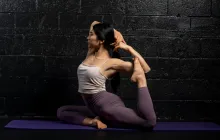
Emotional balance is a dynamic state rather than a fixed plateau, a gentle equilibrium achieved through daily choices that influence how we respond to the world. In a culture that often celebrates speed, multitasking, and constant stimulation, the practice of yoga offers a patient alternative that invites awareness, steadiness, and a more compassionate relationship with inner experience. When people begin to explore yoga in its traditional sense, they discover that it is not merely a sequence of postures but a holistic approach to tuning the nervous system, refining attention, and cultivating a kinder relationship with thought and emotion. The path toward emotional balance through yoga thus becomes a practical invitation to slow down, listen closely, and respond from a more centralized, less reactive place within the self. This inner recalibration is not about suppressing feelings or pretending everything is fine; it is about learning to observe feelings with clarity, to name them with honesty, and to allow them to move through the body with ease rather than becoming stuck in habitual patterns of tension or avoidance. The body, breath, and mind engage in a coordinated ballet that gradually rewires the way stress is perceived and managed, creating a foundation that improves mood, resilience, and the capacity to sustain attention in the midst of life’s inevitable fluctuations. In this light, yoga becomes a companion rather than a performance; a steady practice that invites presence, steadiness, and a more intimate understanding of one’s emotional landscape.
Understanding emotional balance and why yoga helps
At its core, emotional balance involves the ability to experience a wide range of feelings without being overwhelmed by them. It includes the capacity to regulate intensity, to pause before reacting, and to engage with others in ways that reflect awareness rather than automatic reflex. Yoga supports this by offering a framework in which breath, posture, and mind-training work together to modulate the autonomic nervous system. When practiced with attention, yoga helps shift the body from a heightened, defensive state into a more centered mode, reducing the frequency and depth of erratic emotional spikes. The process is not about achieving a blissful or robotic calm; it is about cultivating an internal weather system that acknowledges clouds and rain but remains anchored to the horizon. The practice invites a nonjudgmental stance toward one’s emotional weather, which in turn reduces self-criticism and creates space for more accurate appraisal of situations, a critical factor in making thoughtful choices. As people begin to integrate breath cues into daily life, they experience a greater sense of containment that supports healthier reactions to stressors, better impulse control, and an increased willingness to show up with authentic emotion rather than with postured restraint. Through repetition, clarity emerges, and with clarity comes a more stable emotional field that fuels creativity, connection, and meaningful engagement with others.
The science behind breath and nervous system regulation
Breath is a bridge between the body and the mind, a direct route to influence the autonomic nervous system that governs heart rate, digestion, and a multitude of subconscious processes. In yoga, practiced breathing techniques, often called pranayama, teach how to elongate inhales and exhales, how to pause between them, and how to synchronize breath with movement. This intentional breathing pattern stimulates the parasympathetic branch of the nervous system, the system responsible for rest, repair, and social engagement. When parasympathetic activity increases, there is a calming effect on the heart, a slowing of the breath, and a reduction in the release of stress hormones such as cortisol. Over time, repeated breath-work strengthens vagal tone, a measure of the vagus nerve’s capacity to regulate the switch between fight‑or‑flight and rest-and-digest states. The cumulative effect is a more resilient baseline, where ordinary stressors are less likely to trigger overwhelming emotional responses. Research supports the observation that coherent breathing, a rhythm that aligns with natural heart rate variability, can improve emotional regulation, extend the duration of calm states, and cultivate a sense of safety within the nervous system. In this sense, breath becomes not only a physiological tool but a daily practice that reconditions how one experiences and handles emotional load.
Movement, posture, and mind-body connection
Yoga draws attention to the body as a living communication system: the posture reflects, and in turn shapes, inner experience. Through careful alignment, weight distribution, and mindful transitions between poses, the practitioner learns to notice subtle tension patterns that accompany emotional states. This heightened body awareness enables a person to recognize the onset of stress before it becomes a full emotional surge, creating an opportunity to intervene with breath, slowing the pace, or adopting a gentler pose. The process may be gradual, yet consistency fosters a clearer sense of proprioception and spatial orientation, which in turn reduces the fear or distress that can accompany emotional upheavals. As the body learns to hold itself with steadiness, the mind can relax into a more expansive view of circumstance, acknowledging pain, disappointment, or anxiety without being consumed by them. Over time, this internal alignment cultivates a continuity between outer movement and inner sensation, reinforcing a holistic sense of balance that extends beyond the mat into everyday activities and relationships.
Mindfulness and meditation in yoga practice
Mindfulness sits at the heart of many yoga traditions, offering a method to observe thoughts, emotions, and sensations with curiosity rather than judgment. In a typical yoga session, attention travels through the breath, the body, and the present moment, creating a continuous thread that anchors the practitioner during transitions and holds. When attention is trained, thoughts lose some of their power to pull attention toward rumination, and emotional responses can be examined with greater clarity. This nonreactive awareness is a protective barrier against automatic escalation; it promotes deliberate choices rather than impulsive reactions. Meditation within yoga can take many forms, including focused attention on a single sensation, open monitoring of experience, or loving-kindness practices that cultivate compassion for oneself and others. The key is regularity and safety: a welcoming, nonjudgmental space in which emotions can arise, be named, and pass through. The result is often a deeper sense of emotional literacy, a broader capacity to tolerate discomfort, and more opportunity to respond with intention rather than habit. In daily life, this translates into calmer communication, more patient decision-making, and a steadier presence in the face of challenge.
Yoga practices and routines that support emotional balance
Building emotional balance through yoga involves a thoughtful blend of breathing techniques, accessible postures, and short moments of stillness that can be repeated in a busy schedule. A balanced routine might begin with gentle warm-ups, a sequence of postures that open the chest and hips, and a period of calm, seated meditation or breath awareness. The emphasis is on sustainable pacing, listening to the body, and honoring limits while inviting a gradual expansion of capacity. When practiced regularly, these components accumulate as a reserve of calm, a repertoire of soothing strategies that can be applied in moments of emotional stress. The practice becomes a personal laboratory for exploring how different sensations interplay with mood, sleep, and energy levels, revealing patterns that may otherwise remain unconscious. A durable routine supports emotional balance by fostering predictability, which reduces anxiety, and by offering tangible methods to shift attention toward the present moment, thereby interrupting cycles of worry and rumination. In addition, the social aspects of a class setting, the sense of shared intention, and the guidance from a teacher contribute to a supportive environment that reinforces emotional safety and growth.
Sleep, stress, and mood regulation
Quality sleep is deeply connected to emotional regulation, and yoga can play a meaningful role in improving both. The relaxation response elicited by breath and gentle movement reduces physiological arousal, making it easier to fall asleep and stay asleep. When the body rests more effectively, memory consolidation and emotional processing are enhanced, supporting more stable mood states the following day. Yoga also helps in managing seasonal or situational stress by reducing the duration and intensity of the stress response, which translates into fewer days of irritability, fatigue, and emotional fatigue. As individuals notice improvements in sleep quality, they often experience a positive feedback loop: better rest leads to better mood, which in turn reduces sleep-disruptive worry and improves daytime functioning. The cumulative effect is a more balanced emotional baseline, less episodic distress, and a greater sense of readiness to engage with life’s responsibilities and joys.
From stress to resilience: adapting to daily life
Resilience grows when challenges are met with a combination of awareness, flexibility, and a set of reliable strategies. Yoga teaches these elements by offering tools that can be called upon in ordinary moments that previously felt overwhelming. Breathing techniques can be used in the moment to calm the nervous system, while mindful movement creates opportunities to observe bodily tension without becoming entangled in it. When confronted with a difficult conversation, a demanding deadline, or a moment of disappointment, the practice helps individuals pause, inquire about their emotional state, and choose a response that aligns with their values rather than with fear or habit. Such experiences accumulate as a kind of emotional windbreak, making people less prone to internal storms and more capable of returning to baseline quickly after a perturbation. The resilience built within yoga also fosters a more compassionate stance toward oneself, an essential component of recovery and growth, because resilience without self-kindness is fragile and easily exhausted. This combination supports longer-term emotional stamina and a more stable presence within relationships and work.
Yoga for mood disorders and emotional challenges
Yoga is not a substitute for clinical treatment when serious mood disorders are present, yet it can be a valuable complementary approach that supports overall emotional health. For many individuals, regular practice reduces anxiety symptoms, improves mood regulation, and enhances a sense of agency in daily life. The gentle emphasis on breath, body awareness, and mindful attention helps to dissolve patterns of rumination and hypervigilance that often accompany worry and depression. It is important to approach yoga with realistic expectations, especially for people dealing with intense distress or suicidal thoughts, and to seek professional care when needed. A skilled teacher can tailor poses and breath practices to suit individual capacities and medical considerations, promoting safety and gradual progress. The most beneficial outcomes emerge when yoga is integrated into a broader plan that includes sleep optimization, nutrition, exercise, and professional support when required. In this context, yoga becomes a compassionate partner that reinforces stability, hope, and a sense of empowerment rather than a quick fix.
Creating a sustainable emotional balance through ongoing practice
The most enduring gains from yoga arise from regular, thoughtful engagement that respects the body’s signals and honors personal pace. A sustainable practice is illustrated not by occasional long sessions but by consistent, moderate engagement that fits into daily life. Over weeks and months, small adjustments accumulate into meaningful changes in how emotions are felt and managed. A steady focus on breath work, consistent postural practice, and ongoing attention to present-moment awareness transforms emotional responses, making it easier to navigate uncertainty with grace. Moreover, a stable routine fosters a sense of mastery and purpose, which themselves influence mood positively. In time, the practice begins to echo in conversations, workplace interactions, and moments of personal reflection, shaping a broader sense of self-efficacy. This gradual transformation often yields a deeper acceptance of emotional fluctuation, an enhanced capacity for empathy, and a more compassionate, patient approach to self and others. The ongoing journey offers not a final destination but a reliable process for maintaining balance amid the inevitable rhythms of life.
Closing reflections on the practice and balance
Throughout a thoughtful yoga journey, the emphasis shifts from chasing a particular emotional state to cultivating a reliable relationship with one’s inner life. The breath becomes a steady friend, the body a wise instrument that reveals where tension lodges, and the mind a place where thoughts can be observed, questioned, and released. Emotional balance, learned through repetition and care, grows as a quiet confidence that one can show up with authenticity, respond rather than react, and participate in life with greater presence. This is not a matter of perfection but of ongoing cultivation; a daily invitation to notice, breathe, move, and rest in a way that gradually enlarges the space between stimulus and response. In that expanding space, people often discover that they can hold more complex feelings with gentleness, meet challenges with steadier nerves, and pursue connection with others from a place of grounded, compassionate awareness. The practice thus becomes a garden in which emotional balance can take root, grow, and flourish over time, guided by breath, informed by posture, and animated by the attention that keeps returning to the present moment.