Reflexology rests on the idea that the feet, hands, and ears mirror the whole body with reflex maps mapping organs, glands, and systems to specific zones. By applying deliberate pressure to these zones, reflexologists aim to influence the corresponding parts of the body, with a focus on promoting relaxation and restoring balance. The practice is built on a long tradition that spans continents and centuries, drawing from cultural approaches to healing that view the body as an interconnected system rather than a collection of isolated parts. When stress enters the system, it creates a cascade of physical and emotional responses that can contribute to fatigue, irritability, and a sense of persistent tension. Reflexology proposes a gentle, noninvasive pathway to interrupt that cascade by stimulating nerves, improving circulation, and encouraging the nervous system to shift toward a more restorative state. This opening perspective sets the stage for a deeper exploration of how reflexology can function as a practical resource for managing everyday stress and supporting longer term well-being within a broader self-care strategy.
At the core of reflexology is the belief that specific zones on the feet correspond to the body's organs and systems. For example, the soles may reflect core body functions, while the toes can be linked to the head and neck region. The hands and ears also carry maps that practitioners use to locate reflex points. When pressure is applied to these points, it can produce a sensation that ranges from a mild warmth to a deeper sense of release. For many people, this sensory experience is accompanied by a subjective sense of calm as the body begins to settle. The relaxation that follows is not only physical but also mental, as breathing often becomes slower and more regular, and a gentle quieting of racing thoughts can occur. This immediate response is commonly described as a bridge between everyday stress and a more balanced physiological state, making reflexology feel like a practical pause in a busy day rather than a distant concept or purely medical intervention.
What is reflexology and how does it relate to stress relief?
Reflexology is a discipline built on meticulous mapping of the body through foot, hand, and ear zones. In a typical session, a trained practitioner identifies reflex points that are believed to correspond with areas of tension or imbalance. The practice emphasizes consistent, controlled pressure rather than deep, forceful manipulation. The goal is not to treat disease directly but to support the body in its natural healing processes by stimulating nerve endings and promoting circulation. When a nervous system remains under chronic stress, the body can stay in a heightened state of alertness. Reflexology seeks to nudge the autonomic nervous system toward a more balanced mode by stimulating sensory receptors and triggering signals that encourage relaxation responses. The experience often unfolds as a careful dialogue between practitioner and client, with cues about comfort levels and the pace of the session guiding the rhythm of touch. Over time, many clients report that regular sessions help maintain a more even mood and a steadier tolerance for stressors that would previously provoke a stronger reaction.
The relationship between reflexology and stress relief also involves psychological components. The ritual of receiving care, the focused attention, and the safe environment created by a therapist can contribute to a sense of being supported. This psychosocial dimension can amplify the body’s relaxation response by reducing perceived threat and enhancing a feeling of control. When both body and mind are eased, sleep may improve, daytime energy can stabilize, and attention can become clearer. As a result, reflexology often serves as a complementary approach that supports other stress management techniques rather than acting as a standalone cure. The practice can be integrated into a holistic routine that includes mindful breathing, gentle movement, and healthy lifestyle choices, creating a supportive network that reinforces resilience in the face of daily pressures.
The science behind stress, the nervous system, and reflexology
To understand why reflexology might be effective for stress relief, it is helpful to consider how stress affects the body. When the brain perceives a threat or challenge, the sympathetic branch of the autonomic nervous system is activated, releasing a cascade of hormones such as adrenaline and cortisol. This response is useful in short bursts but can become problematic when activated frequently or for extended periods. Chronic alterations in autonomic balance can influence heart rate, blood pressure, digestion, and sleep. Reflexology is thought to interact with these processes by providing tactile stimulation that can modulate nerve signaling and promote parasympathetic activity, the system responsible for rest and repair. In practical terms, a session may encourage slower breathing, lower muscle tension, and a greater sense of physical ease. These changes can contribute to improved autonomic balance, which in turn supports digestion, immune function, and restorative sleep. While the precise mechanisms are still explored, the convergence of sensory input, neural pathways, and hormonal regulation aligns with a plausible route through which reflexology can support stress management.
From a biological perspective, reflexology draws attention to the interplay between peripheral nerves and central regulation. The feet contain thousands of nerve endings that connect to pathways spanning the entire body. Gentle, sustained pressure on reflex points can create a cascade of neural signals that travel through the spinal cord and brainstem, influencing autonomic functions and the release of endorphins, the body’s natural painkillers and mood enhancers. This interplay may also impact levels of neurotransmitters involved in mood regulation, such as serotonin and dopamine, though the exact patterns can vary among individuals. The net effect in many clients is a combination of reduced physical tension and an enhanced sense of emotional calm, contributing to a perception that stress has become more manageable. In this sense reflexology sits at the intersection of physical touch, neurobiology, and psychological well-being, offering a multi-layered approach to stress relief that can complement other evidence-based practices.
How reflexology triggers relaxation responses
One of the most consistent experiences reported by people who receive reflexology is a sense of deep relaxation. This is not simply a transient feeling of comfort; it often represents a shift in the body’s regulatory system. As pressure is applied to reflex points, muscle fibers relax, joint tension releases, and blood flow improves through nearby tissues. The improved circulation helps bring oxygen and nutrients to cells and supports the removal of metabolic wastes, contributing to a sense of renewal in the limbs and core. Additionally, the stimulation of foot nerves can send calming signals to the brain, encouraging the release of endorphins and enkephalins that promote analgesia and mood elevation. The activation of the parasympathetic nervous system manifests as a slower heart rate, steadier breathing, and a feeling of spaciousness in the chest and abdomen. Collectively, these physiological shifts create a physiological and psychological milieu that supports reduced stress reactivity and greater resilience to future stressors. The subjective experience often includes enhanced body awareness, which can help individuals recognize early signs of stress and adopt grounding breath or mindfulness practices in daily life.
In practical terms, a reflexology session can feel like a retreat from the pace of modern life. Clients frequently report that the initial minutes bring a pronounced sense of warmth and a soft release in areas of tightness. As the session progresses, the body often settles into a rhythm that mirrors a slow, deliberate breath. This breath, together with steady pressure and a nurturing environment, helps to calm the nervous system and fosters a state that is conducive to relaxation, improved sleep readiness, and an increased capacity to manage emotional responses. The interplay between physical touch and mental calm is central to the practice's appeal for many people seeking stress relief. In this way reflexology offers both immediate and delayed benefits that accumulate with regular sessions, supporting a long-term approach to stress management rather than a one-off intervention.
What happens in a typical reflexology session
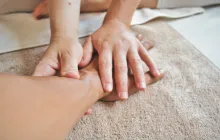
A typical reflexology session begins with a gentle intake in which the practitioner asks about current stress levels, sleep quality, and any areas of primary concern. This conversation informs which reflex points may be emphasized and how pressure should be adjusted to maintain comfort. The actual treatment focuses on the feet, though hand reflexology or ear reflexology can be offered as alternatives or supplements. The practitioner uses precise finger or thumb techniques, applying steady, rhythmic pressure along mapped zones. The duration of the main work on the feet can vary, but it commonly lasts between forty-five minutes and an hour. A session may include a brief period of rest afterward, allowing the client to absorb the effect of the treatment. Aftercare can involve hydration, light stretching, and gentle expansion of awareness about how stress shows up in the body. Clients are encouraged to listen to their bodies, noticing changes in breath, posture, or mood, and to report any areas of residual tension so that future sessions can tailor the approach. The atmosphere is typically calm, with soft lighting and a quiet soundtrack, designed to reinforce the sense of safety and relaxation that underpins stress relief.
In practice, reflexology may be adapted to different needs. Some clients prefer shorter sessions with a focus on specific stress-related complaints, such as headaches or neck tension, while others may opt for longer sessions to address a broader range of concerns. A well-trained practitioner respects individual boundaries, ensures comfortable pressure levels, and communicates clearly about what to expect. Over time, many people notice that routine sessions help reduce the frequency and intensity of stress responses and contribute to an overall sense of well-being that extends beyond the treatment room. The personalized nature of reflexology is part of its appeal, as it acknowledges that each person carries stress differently and may benefit from adjustments in timing, pressure, and focus as their life circumstances change.
Common benefits reported by clients
Clients often describe a range of benefits that accompany regular reflexology practice. The most frequently cited outcomes include a deepened sense of relaxation that persists beyond the session, improved sleep quality, and a reduction in daytime fatigue. Many report a clearer mindset and less cognitive fog, making it easier to navigate daily responsibilities with steadier attention and a calmer mood. Physical signs of relief, such as reduced muscle tension in the shoulders and neck, gentler breathing, and a more comfortable walking pattern, are also commonly observed. Some individuals experience improved digestion and more regular bowel movements, which can contribute to a general sense of vitality that supports stress resilience. While these experiences are diverse and individualized, they share a common thread of enhanced self-regulation and a more stable emotional baseline, which can be particularly valuable during periods of high stress or transitions in life.
Another notable benefit is the cultivation of body awareness. As clients become more attuned to the signals their bodies send when stressed, they may notice early warning signs such as shallow breathing, tight jaw muscles, or clenched fists. This awareness creates an opportunity to incorporate quick, self-guided reflexology techniques or other coping strategies, such as a brief breathing exercise, a short stretch, or a moment of quiet reflection. The practice also tends to foster a sense of pampering and self-compassion, reinforcing the idea that taking time to care for oneself is a meaningful and constructive response to stress. In this way reflexology can serve not only as a source of immediate relief but also as a catalyst for longer-term healthy habits that support emotional balance and physical well-being.
Reflexology and stress-related conditions
Chronic stress is linked to a variety of symptoms and health challenges, and reflexology has been explored as a complementary approach to several stress-related conditions. Headache and migraine symptoms, often aggravated by tension in the head, neck, and shoulders, can respond to reflexology through targeted work on reflex points corresponding to these regions. Sleep disturbances, including difficulty falling asleep and frequent waking, may improve as the nervous system stabilizes and the mind relaxes more readily after sessions. Digestive concerns, such as bloating or irregularity, can sometimes improve with reflexology because the technique can influence digestive patterns by reducing sympathetic dominance and fostering parasympathetic activity that supports digestion. Among people experiencing anxiety, reflexology is valued for its ability to produce a palpable sense of grounding and a reduction in hyperarousal, which can be beneficial in combination with psychotherapy or counseling, mindfulness practices, and medication management as advised by healthcare professionals.
It is important to acknowledge that reflexology is not a substitute for medical treatment when serious conditions are present. Instead, it can function as a supportive modality that enhances relaxation, mood, and coping capacity. For those dealing with chronic illnesses or ongoing stress, reflexology can be integrated into a comprehensive care plan that includes proper medical guidance, safe exercise, good nutrition, and appropriate sleep hygiene. In this integrated context, reflexology contributes to a more resilient physiological state and a calmer emotional ecosystem, helping individuals respond to health challenges with greater calm and clarity.
Evidence and research in reflexology for stress relief
The scientific landscape around reflexology and stress relief is evolving. Some studies suggest that reflexology can reduce perceived stress, anxiety, and pain while improving sleep quality, and others report modest physiological changes such as lowered cortisol levels or changes in heart rate variability. However, the research is often characterized by small sample sizes, varying methodologies, and heterogeneous populations, which makes definitive claims about efficacy difficult. Critics point to the need for larger, well-controlled trials that account for placebo effects, standardization of techniques, and long-term outcomes. Proponents emphasize the experiential nature of reflexology, where subjective relief and enhanced well-being play a central role in the perceived value of sessions. For individuals seeking evidence-informed choices, it can be helpful to review peer-reviewed studies, consult with healthcare providers, and consider reflexology as a complementary practice rather than a stand-alone treatment for serious health conditions.
Beyond formal studies, many clients share qualitative experiences that highlight the meaningful impact of reflexology on day-to-day stress management. The practice often enhances a sense of agency, giving individuals a tool they can use to cultivate calm during hectic periods. This sense of empowerment can be as valuable as measurable physiological changes, because it intersects with mood regulation, resilience, and the ability to maintain routines that support mental health. When integrated with other wellness approaches—such as cognitive-behavioral strategies, mindfulness, or progressive muscle relaxation—reflexology may contribute to a multi-layered approach to stress relief that addresses both body and mind. The evolving evidence supports the idea that reflexology offers a gentle, accessible option for many people seeking relief from stress and an additional resource for sustaining well-being over time.
Safety, considerations, and who should avoid reflexology
Reflexology is generally considered safe when performed by a trained practitioner who adheres to professional hygiene and client comfort standards. Basic precautions include communicating openly about any medical conditions, recent surgeries, or areas of discomfort. Some individuals should exercise caution or seek medical advice before trying reflexology, particularly if they have foot injuries, infections, or vascular conditions that limit circulation. During pregnancy, reflexology may be used with care and appropriate adjustments; many practitioners offer pregnancy-specific protocols that emphasize wrist or hand reflexology as well as modified foot work. People with neuropathy, diabetes, or nerve damage should consult their healthcare provider to determine suitable touch intensity and treatment frequency because sensation can be altered in these conditions. If pain, numbness, or unusual symptoms arise during a session, it is important to pause and discuss these sensations with the practitioner. In all cases, reflexology should complement medical care and not replace it when professional treatment is necessary. The emphasis on safety and client comfort reinforces the practice as a respectful, caring form of touch that honors personal boundaries and individual needs.
In addition to safety considerations, it is helpful to approach reflexology with realistic expectations. Some people experience immediate relief, while others notice gradual improvements over multiple sessions. The length of benefit can vary, influenced by the intensity of stress, life circumstances, and adherence to a broader self-care routine. By treating reflexology as one component of a comprehensive strategy for stress management, individuals can set personal goals that reflect their unique experiences and health profiles. Clear communication with the practitioner about goals, preferences, and any changes in symptoms will help tailor the approach and support a safer, more effective experience.
Self-care reflexology at home
Home practice can extend the benefits of reflexology beyond the therapy room. Simple self-care routines often involve gentle, mindful stimulation of reflex points on the feet, hands, or ears, using clean hands or a soft tool. The emphasis is on comfort, not pain, and on establishing a routine that fits within daily life. Regular but moderate practice can help reinforce the body’s relaxed state and provide a predictable way to respond to stress cues. For example, a short, ten-minute routine at the end of the day can help prepare the body for sleep, while a midday session can provide a quick reset when stress spikes. The key is consistency and listening to the body’s signals. If a particular point feels tender, it is wise to proceed with lighter pressure and more time on other areas to balance the effect. Gentle this approach supports relaxation, while also fostering a sense of agency as individuals learn to care for themselves with intention and care. When practicing at home, keeping nails trimmed, washing hands, and using a moisturizer can make the experience more comfortable and enjoyable, reinforcing the habit as a thoughtful self-care moment rather than a task. Home practice also opens opportunities to pair reflexology with other calming activities such as slow breathing, soft music, or a comfortable environment to maximize stress relief.
Integrating reflexology with other stress-relief practices
Reflexology does not exist in a vacuum; it can be harmoniously integrated with a broader set of stress-management strategies. Combining reflexology with mindful breathing exercises can deepen the relaxation response, as slow, diaphragmatic breathing reinforces parasympathetic activation while reflexology supports tactile and neural pathways that promote calm. Adding light movement, such as gentle stretching or walking, can complement reflexology by sustaining improved circulation and a sense of physical ease throughout the day. Adequate sleep, consistent hydration, and balanced nutrition further support the body’s capacity to cope with stress. In a holistic approach, reflexology is one piece of a larger picture that includes psychological tools, social support, and environmental adjustments that reduce chronic stress drivers. For many individuals, this integrated approach yields a more robust sense of well-being, enabling them to navigate work pressures, family responsibilities, and personal challenges with greater composure and resilience. The synergy between hands-on touch and daily habits makes reflexology a practical addition to a life designed for steadier stress management rather than isolated relief only during sessions.
Choosing a practitioner and what to expect from a first visit
Choosing a qualified reflexologist involves considering several factors that relate to safety, comfort, and effectiveness. Look for practitioners with recognized training from reputable schools, adherence to professional codes of ethics, and ongoing education. Clear communication about goals, medical history, and any concerns is essential from the first contact. A professional will typically begin with an intake discussion, ask about areas of tension or health conditions, and describe their approach to pressure and session structure. During the session, the practitioner should explain what reflex points will be addressed and invite feedback about pressure intensity and comfort. The environment should be clean, quiet, and respectful, ensuring that the client feels safe and supported. After the session, the practitioner may offer guidance on post-treatment care, hydration, rest, and potential practices to extend the relaxation response. Understanding these expectations helps clients feel confident in their choice and fosters a therapeutic partnership built on trust and mutual understanding of stress-relief goals.
For someone new to reflexology, it can be helpful to start with a shorter session to gauge comfort and response. Regular appointments, rather than a single treatment, often yield more noticeable benefits as the nervous system adapts to the support provided by reflexology and as the body learns to rely on a more balanced state of regulation. Finding a practitioner who respects individual limits and who can tailor techniques to personal needs is a key step in creating a sustainable practice that supports stress relief, mood, and overall wellness. A thoughtful selection process, combined with open dialogue and a willingness to adjust as needed, can help ensure a positive and productive reflexology experience that aligns with personal health goals and lifestyle.
A broader perspective: reflexology as part of a holistic approach to stress management
Reflexology is most effective when viewed as part of a broader framework for managing stress. When combined with healthy daily routines, it supports a calmer baseline and increases an individual’s capacity to respond rather than react to challenging situations. A holistic approach might include practices such as regular physical activity that aligns with personal preferences, social connection that provides emotional support, and time for rest and recovery. Mindfulness techniques, such as body scans or guided imagery, can complement reflexology by cultivating nonjudgmental awareness of stress signals and by strengthening intentional responses to stress. Nutrition also plays a role; choosing nutrient-dense foods that stabilize energy and mood can reinforce the impact of relaxation practices. In this integrated model, reflexology acts as a tangible, sensory reminder to slow down and attend to the body’s needs, while other practices address cognitive and emotional processes that sustain stress over time. For many people, this multi-faceted approach yields lasting improvements in sleep, mood, energy, and the ability to enjoy daily activities with greater ease and confidence.
Ultimately, reflexology for stress relief offers a gentle, person-centered pathway to relaxation that respects the body's innate capacity to balance itself. The practice invites individuals to pause, breathe, and listen to what their bodies need, while providing a skilled touch that can unlock a quiet space inside. When adopted as part of a broader lifestyle that prioritizes rest, connection, movement, and nourishment, reflexology can contribute to a sustainable pattern of stress management that supports health and happiness across different seasons and life events. The journey toward deeper calm is personal and ongoing, but many find that reflexology provides a meaningful anchor along the way, a reminder that stress relief can be accessible, practical, and caring in everyday life, with tangible benefits that extend into work, relationships, and personal vitality. This perspective emphasizes not only the immediate sensations of relaxation but also the ripple effects that steady, mindful care can have on emotional resilience, physical vitality, and a renewed sense of well-being across time.