Introduction to Relaxation and Massage
Relaxation is more than a momentary pause from daily demands; it is a state of bodily calm that allows the nervous system to transition from vigilance to ease, from tension to soft equilibrium, and from scattered attention to centered awareness. Massage therapy, in its many forms, serves as a bridge to this state by providing intentional touch, slow rhythmic movement, and a soothing context in which the body can release held patterns of stress. When a person lies on a comfortable table and a trained practitioner works with care, breath begins to lengthen, muscles surrender their grip, and the mind gradually shifts away from problem solving toward sensation, warmth, and awareness of the present moment. This process often unfolds gradually, with small shifts that accumulate into a deeper sense of restfulness, serenity, and renewed energy. The value of such relaxation extends beyond the massage session itself, influencing sleep quality, mood stability, muscle tone, and the ability to respond adaptively to life’s challenges.
Biological Mechanisms Behind Relaxation Responses
Massage therapy engages the body on multiple levels to promote relaxation. On a physiological plane, gentle, attentive touch stimulates mechanoreceptors in the skin and muscles, which convey signals through the nervous system to calm the excitatory pathways that keep the body in a state of readiness. As this input travels to the brain, there is often a measurable shift toward parasympathetic activity, the branch of the autonomic nervous system responsible for rest, digestion, and recovery. This shift can help lower heart rate, reduce blood pressure, and decrease the release of stress hormones such as cortisol, while simultaneously enhancing the production of endorphins, serotonin, and oxytocin, substances closely tied to feelings of safety, happiness, and social bonding. The combination of lowered physiological arousal and increased neurochemical signaling supports a durable sense of ease that can persist beyond the treatment room.
Breath, Posture, and the Vagal System
Breathing patterns change in response to the environment of a massage session, and this change reinforces the relaxation response. Slow, deliberate breathing tends to synchronize with the therapist’s movements, creating a rhythmic cadence that calms the mind and promotes efficient gas exchange. This interplay can activate the vagal system, the critical pathway that coordinates heart rate variability and emotional regulation. When vagal tone improves, people often experience greater resilience to stress and an increased capacity to recover after perturbations. The physical stillness of the body during massage, combined with mindful breathing, contributes to a feedback loop in which body and mind reinforce each other’s calm, reinforcing a durable state of relaxation that can become a personal resource in daily life.
Environmental and Sensory Contributions to Relaxation
The atmosphere of a massage session plays a significant role in shaping the relaxation response. Soft lighting, a quiet room, a comfortable table, and a soothing temperature create a canvas in which the body can let go. Aromatherapy oils, when used with care and consent, introduce gentle olfactory cues that can further reduce arousal and enhance mood. The texture of the skin, the warmth of the hands, and the reassuring presence of a skilled practitioner all contribute to a sense of safety and trust. Even subtle details, such as the cadence of the music and the absence of abrupt environmental changes, help the nervous system glide toward a tranquil baseline, making it easier for the body to release muscular tension and for the mind to quiet its chatter.
Mood, Sleep, and Cognitive Clarity
Relaxation achieved through massage often translates into improved mood and better sleep architecture. The soothing effects on the nervous system can ease rumination and reduce hypervigilance, which in turn supports longer, more restorative sleep cycles. In the waking hours after a session, people frequently report a lighter mood, greater patience, and improved focus. When sleep quality improves, cognitive functions such as memory, attention, and problem-solving may benefit. This cascade—from physiological calm to emotional steadiness to cognitive clarity—illustrates how relaxation is not merely a momentary respite but a multi-layered influence on overall well-being.
Physical Relief: Tension Release and Musculoskeletal Harmony
Even in sessions dedicated to relaxation rather than deep therapeutic work, massage can release persistent muscle tension that contributes to pain and stiffness. Gentle work on the superficial layers of muscle, connective tissue, and fascia helps restore a more balanced resting length and range of motion. When tissue is allowed to relax, blood flow improves, metabolic wastes are cleared more efficiently, and the muscles are better prepared to sustain healthy use during daily activities. This release reduces the sense of ache or dull discomfort that can accumulate with stress and prolonged postures, enabling a person to move with more freedom and less protective guarding. The cumulative effect is a body that feels lighter, more mobile, and less affected by the daily grind of repetitive tasks.
Circulation, Lymph, and Metabolic Balance
Massage improves circulation in ways that support relaxation and health. The rhythmic pressure and glide of skilled hands facilitate blood flow to muscles and organs, which can promote more effective oxygen delivery and nutrient exchange while aiding in the removal of metabolic byproducts. Enhanced lymphatic flow contributes to tissue health by moving fluids through the system, supporting immune function and reducing swelling in susceptible areas. The sense of bodily renewal that follows improved circulation often reinforces a feeling of vitality paired with calm, showing that relaxation and physical wellness can travel together in a synergistic manner.
Aromatherapy and the Subtle Power of Scent
When integrated thoughtfully, aromatherapy can complement massage by providing a nonverbal signal to the nervous system that it is safe to ease. Certain essential oils have properties associated with relaxation, sleep promotion, or mood lifting, and their effects are often experienced as part of a holistic relaxation response. The scent engages the limbic system, a brain region involved in emotions and memory, helping to anchor the calm sensation that massage initiates. It is important to use such enhancements with awareness of personal sensitivities or allergies, ensuring that their inclusion supports comfort and safety rather than causing distress or distraction during the session.
Different Techniques Emphasizing Gentle Relaxation
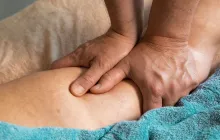
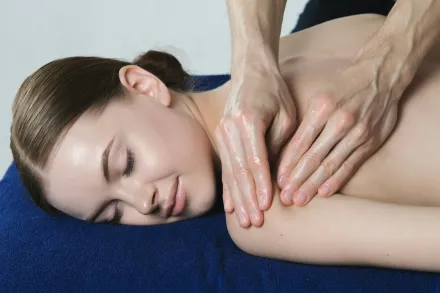
In a relaxation-focused session, the practitioner may use long, flowing strokes that glide over large areas of the body, light to moderate pressure, and a tempo that mirrors breathing rhythms. The approach emphasizes comfort, even distribution of pressure, and continuity of movement, which fosters a sense of steadiness and predictability. Slow kneading along with intermittent soothing effleurage can help melt away tension without provoking defensive guarding. The goal is not to force muscle fibers into a stretch but to invite them to settle, releasing micro-tensions and allowing the nervous system to settle into a calmer state. The subtle variation in touch across a session, guided by the client’s feedback, supports a customized experience of relaxation tailored to the individual's physiology and preferences.
Self-Care Between Sessions and Sustainability of Benefits
Maintenance of relaxation benefits often extends beyond the treatment room through simple self-care practices. Gentle stretching, mindful breathing, regular hydration, and adequate sleep can reinforce the body’s capacity to inhabit a relaxed state. Some individuals discover that brief periods of body awareness after a session, such as noticing areas of sensation and guiding breath to soften those regions, help preserve the cascade of calm achieved during the massage. Regular, well-planned sessions can build a reliable foundation of relaxation that improves resilience to stress, supports healthy coping strategies, and encourages a lifestyle that prioritizes recuperation as part of daily routine rather than an occasional indulgence.
Frequency and Scheduling: Building a Relaxation Rhythm
The decision about how often to schedule massage for relaxation depends on many factors, including personal stress levels, work patterns, physical demands, and financial considerations. Some people find that a monthly session provides steady respite that accumulates into a more stable baseline of calm, while others may benefit from more frequent visits during particularly demanding periods or after strenuous physical activity. The rhythm can be adjusted to reflect changes in life circumstances, ensuring that the relaxation benefits align with ongoing goals for well-being. A predictable schedule often reduces anticipatory stress and creates an opportunity to anticipate rest as a legitimate part of health maintenance.
Safety, Boundaries, and Individual Considerations
Massage therapy is a safe practice when delivered by trained professionals who adhere to hygiene standards and professional ethics. It is important to communicate any medical conditions, allergies, skin sensitivities, or recent injuries before beginning a session so that the therapist can tailor touch and pressure appropriately. Pregnant individuals, people with certain vascular or skin conditions, and those recovering from surgery may require adjustments in technique, position, or duration to maximize safety and comfort. Trusting the practitioner to honor boundaries, monitor responses, and pause when needed is essential to cultivating relaxation without discomfort or risk. A thoughtful approach to safety invites a deeper sense of security, which is itself a cornerstone of relaxation experiences.
Relaxation Across Populations: Who Benefits and How
Regardless of age or background, most people can benefit from the relaxation response that massage can facilitate. For some, this means relief from baseline tension in the neck, shoulders, and back that accumulates from sedentary work or caregiving duties. For others, it means a more peaceful evening routine that makes falling asleep easier and increases the likelihood of waking feeling restored. The universal thread is the chance to slow down, listen to the body, and practice a compassionate form of self-care that prioritizes rest as a component of health. The versatility of massage allows it to adapt to an individual’s needs, preferences, and life context while maintaining a core focus on relaxation and well-being.
Choosing a Therapist and Crafting a Personal Relaxation Plan
Finding a compatible therapist is a key influence on the quality and consistency of relaxation outcomes. It helps to seek practitioners who communicate clearly, invite questions, and adjust techniques in response to feedback. A good match often rests on alignment of goals, comfort with touch, and confidence in the therapist’s professional approach. Developing a personal relaxation plan may involve setting a target number of minutes in each session, selecting modalities that resonate, and identifying environmental elements that enhance comfort. With thoughtful planning, a relaxation routine becomes an integrated part of life, not an isolated event, supporting ongoing mood balance, sleep quality, and physical ease over time.
Overcoming Skepticism and Embracing a Wellness Perspective
Some individuals approach massage with skepticism, wondering whether the benefits are mainly psychological or largely placebo-based. What research consistently shows is that massage can produce tangible physiological changes alongside subjective improvements in mood and perception of pain. The experience of safety, warmth, and care can empower a person to reinterpret physical sensations as signals of recovery rather than markers of danger. In this light, massage serves as a practical, evidence-informed tool for nurturing relaxation, recovery, and a more expansive sense of bodily agency. Recognizing the mind-body connection helps reframe self-care as an essential component of a broader wellness strategy rather than a luxury or a temporary escape.
Integrating Massage into a Holistic Wellness Approach
Relaxation achieved through massage does not exist in isolation from other healthy habits. It complements physical activity, nutrition, mental health strategies, and social connection. When used as part of a holistic program, massage can enhance adherence to stress management practices, support recovery from exercise, and amplify the overall sense of balance that people strive for in busy lives. The synergy created by combining massage with mindfulness, breathing practices, or gentle movement exercises can deepen the relaxation response and help it endure across varying circumstances. This integrative perspective emphasizes that relaxation is not a single event but a recurring, nourishing process that touches multiple dimensions of well-being.
Addressing Common Myths About Massage and Relaxation
One persistent belief is that massage is purely indulgence or a luxury reserved for special occasions. In reality, regular relaxation-focused massage can be a preventive strategy that reduces chronic muscle tension, lowers stress burden, and supports mental health, which in turn can contribute to greater daily productivity and emotional steadiness. Another misconception is that relaxation massage lacks therapeutic value if pain or tightness persists. While deeper therapeutic work has its place, relaxation techniques provide a foundation of calm that can reduce guarding and allow subsequent therapeutic interventions to be more effective. Embracing a mindset of proactive care rather than reactive relief helps people approach massage as a constructive, ongoing practice rather than an optional expense.
Encouraging a Personal Ritual: The Long-Term Value of Relaxation
When people decide to cultivate a personal ritual around massage, they often experience a shift in how they relate to stress and fatigue. The act of scheduling time for rest communicates a message of self-respect and priority. The ritual aspect—whether it occurs on a weekly or monthly cadence—can create a sense of stability in life that supports emotional regulation and consistent energy levels. Over time, this ritual can become a dependable anchor during periods of transition, triumph, or challenge, offering a reliable way to return to a baseline of calm that makes other goals more accessible and more enjoyable to pursue.
Final Thoughts on the Practice of Relaxation Massage
In the broad landscape of health and wellness, relaxation massage represents a practical, person-centered approach to nurturing the body’s natural capacity to rest, recover, and thrive. Its benefits emerge from the quiet interplay between touch, environment, breathing, and the body’s intrinsic tendency toward balance. By honoring individual needs, priorities, and sensitivities, massage therapy becomes a compassionate partner in daily life, providing a steady invitation to pause, breathe, and gradually realign with a sense of ease. The experience grows richer with time as the nervous system learns to inhabit a calmer state more readily, and the mind discovers a more gracious relationship with stress, pain, and fatigue. In this way, massage supports a sustainable cycle of relaxation that can become a durable foundation for health, happiness, and everyday resilience.