Understanding the landscape of tension and the promise of aromatherapy
Arousing sensations in the body that are often labeled as tension arise from a complex interplay of nerves, hormones, and brain signaling that respond to perceived threats, daily pressures, and physical strain. When tension becomes chronic, the body may adopt a pattern of tightened muscles, shallow breathing, and a heightened alert state that cycles through mood, sleep, and overall energy. Aromatherapy enters this landscape not as a single cure but as a multisensory practice that can gently shift the body's balance. In practiced hands, essential oils act as signals that invite relaxation, restore steadier breathing, and create a mood that makes it easier to respond rather than react to stressors. The effect is not purely subjective; it is supported by how scent is wired into biological pathways that regulate arousal, attention, and emotional processing. By engaging the senses in a calm, purposeful way, aromatherapy can help break the habit of constant tension and open space for restorative processes to take hold.
Smell carries a direct line into the brain’s emotional centers, bypassing the slower pathways of conscious reasoning. The olfactory system connects to structures in the limbic system, including the amygdala and hippocampus, which are intimately involved in fear, memory, and mood regulation. When fragrant molecules land on the receptors in the nasal cavity, they set off a cascade of neural signals that influence heart rate, blood pressure, and the release of neurochemicals such as serotonin and endorphins. This rapid link helps explain why a familiar aroma can instantly soften mood and reduce the sense of burden carried in the chest or shoulders. In practical terms, choosing a comforting aroma and creating a quiet, deliberate breathing pattern can anchor the nervous system and shorten the time it takes to shift from a state of readiness to a state of ease.
The context in which aromatherapy is used matters as much as the oils themselves. A routine that incorporates a calm scent into a daily pause, a short walk, or a mindful breathing exercise can train the brain to associate the fragrance with safety and ease. Over weeks of consistent practice, even subtle changes in inhalation, posture, and attention can accumulate into a more resilient response to stress. This is not simply about temporarily masking tension with a pleasant smell; it is about resetting the autonomic nervous system’s balance toward parasympathetic activity that supports digestion, repair, and restful states. In this way, aromatherapy becomes a supportive habit that complements physical activity, sleep hygiene, and social connection, forming part of a holistic approach to tension reduction.
How aromatic compounds engage the brain and the body
The journey of an aromatic molecule begins in the nose, but its effects extend far beyond the moment of inhalation. When volatile compounds from essential oils are breathed in, they interact with olfactory receptors that trigger signals to the olfactory bulb, a brain region with strong ties to memory and emotion. From there, the signals propagate to regions such as the limbic system, including the amygdala, hippocampus, and hypothalamus, which regulate mood, autonomic function, and hormonal release. This pathway helps explain why certain scents can quickly alter perceived stress and influence physiological states like heart rate variability, muscle tension, and breathing rate. Oils with chemistries that favor calmness, such as linalool-rich lavender or linalyl acetate-rich chamomile, tend to promote a gentle downshift in arousal, supporting a smoother transition from tension to relaxation.
Beyond inhalation, topical absorption adds another layer to how aromas exert their influence. When essential oils are diluted in a carrier medium and applied to the skin, volatile components can evaporate from the surface and interact with local nerve endings and skin receptors. This subtle diffusion can contribute to a sense of warmth, comfort, and ease that complements the neurochemical shifts initiated by the olfactory system. While the amount absorbed through the skin is modest compared with inhalation, the combination of skin contact, thermal sensation, and aroma can create a multi-sensory experience that reinforces the feeling of tension releasing more thoroughly. In practical terms, a gentle massage or a warm compress featuring carefully chosen oils can extend the calming effects well beyond a single whiff, providing an anchor for restorative moments during a busy day.
Personal expectations and context play influential roles in outcomes as well. The mind often gauges scent through past experiences and cultural associations, which can amplify or dampen the calming impact. A scent connected to childhood safety or a memory of a soothing place can trigger a cascade of favorable expectations that help the body settle into quiet and stillness. Conversely, if a scent evokes discomfort or unease, the same physiological pathways might support a protective or alert response rather than deep relaxation. This interplay underscores the importance of selecting oils that align with personal preferences and emotional associations, and of creating a sensory environment that feels safe and unhurried. In this way, aromatherapy becomes a personalized practice rather than a one-size-fits-all intervention for tension relief.
Common essential oils that gently reduce tension and why they work
Among the most studied and frequently used oils for tension reduction is lavender, whose floral, fresh notes are often described as serenely soothing. The soothing quality of lavender is associated with compounds like linalool and linalyl acetate, which appear to modulate nerve signaling related to relaxation and sleep. People often report a calmer mind, slower breathing, and a more even mood after exposure to lavender-rich environments, whether through diffusers, sprays, or compresses. Bergamot, with its citrusy brightness and nuanced bergapten-free profiles in many preparations, can lift mood while promoting a sense of safety and centeredness. The synergy between citrus and herbaceous notes in bergamot allows it to balance uplift with a placid undertone, which can be particularly helpful when tension is tied to mood fluctuations or restlessness.
Chamomile is another cornerstone in tension management, especially for those experiencing muscular tightness or headaches linked to stress. German chamomile offers soothing terpenoids and apigenin-like compounds that contribute to quieting sensations and improved sleep quality. Ylang-ylang holds a warm, sweet floral character that is often used to ease emotional tightness and to promote a gentle sense of connection with the body. Sandalwood, with its deep, resinous aroma, tends to invite a contemplative breathing pattern and a slower pace of thought. Each of these oils interacts with the nervous system in distinct ways, yet they share a common capacity to counteract hyperarousal and invite a more restorative rhythm to daily life.
In some situations, blends that include peppermint, clary sage, or geranium can be useful for targeted moments of tension such as headaches from eyestrain or neck stiffness. Peppermint has a cooling, sharp note that can relieve head discomfort when used in moderation, while clary sage may offer a grounding influence during emotional turbulence. Geranium can help stabilize mood and reduce irritability associated with persistent tension. It is important to acknowledge that individual responses to essential oils vary, and what calms one person may not have the same effect for another. Tailoring blends through experimentation, guided by safety guidelines and professional advice when needed, supports a more reliable and enjoyable experience with aromatherapy for tension reduction.
In daily practice, the choice of oil often reflects a broader intention to create a sensory environment conducive to rest and recovery. The aroma becomes a contextual cue that signals the body to shift from a fight-or-flight posture toward a more restorative readiness. When combined with slow, deliberate breathing, these scents can amplify vagal tone and encourage diaphragmatic breathing, which is a hallmark of relaxation. The cumulative effect of repeated exposure to comforting aromas helps sculpt a habit of calm that extends across activities, from work breaks to evening routines. This habitual pattern is a practical form of self-care that supports long-term tension management without requiring drastic life changes every day.
Practical ways to apply aromatherapy for tension in everyday life
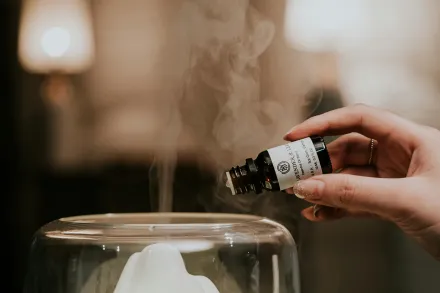
Incorporating aromatherapy into daily routines begins with creating a calm, accessible space for scent use. A quiet corner of a room where a diffuser can operate safely provides a focal point for short practice sessions. The diffuser disperses microdroplets of essential oils into the air, creating a subtle ambient fragrance that remains within the limits of comfort for most individuals. A quiet space can be paired with a few minutes of relaxed breathing, soft gaze, or progressive muscle relaxation to maximize the calming effect. The aim is to establish a predictable moment in the day when tension can be acknowledged and offered a gentle reprieve, rather than letting stress accumulate unchecked.
Direct inhalation offers another straightforward method for quick tension relief. A few slow breaths from a closed container with a cotton ball or a personal inhaler can provide an immediate sense of relief during a tense moment. This approach is especially useful during meetings, travel, or transitions between tasks when access to a diffuser is limited. When applying oils topically, always dilute in a carrier oil and perform a patch test on a small area of skin to avoid sensitivity. Massaging a small amount of diluted oil into the neck, shoulders, or temples can promote local warmth and comfort while the aroma travels with the breath. For those who prefer a more guided experience, following a simple routine that links inhalation, breath pacing, and gentle movement can transform aromatherapy from a passive scent into an active relaxation practice.
Quality and safety considerations shape the reliability of aromatherapy in reducing tension. Using pure, high-quality oils from reputable sources reduces the risk of irritating impurities and enhances the consistency of effects. The choice of carrier oil, such as sweet almond, jojoba, or grapeseed, impacts not only skin feel but also the rate of absorption and potential skin sensitivity. It is wise to avoid oils during pregnancy without guidance from a healthcare professional and to be mindful of potential interactions with medications or existing skin conditions. Proper storage away from heat and light helps preserve the chemical integrity of the oils, ensuring that their calming properties remain potent over time. By attending to sourcing and handling details, the practice of aromatherapy remains a dependable and enjoyable tool for tension management.
The psychological and physiological pathways of relaxation through fragrance
Engaging with essential oils invites a psycho-physiological response that blends conscious intention with automatic body processes. When a calm fragrance fills the air, the mind can settle into a momentary pause, allowing the breath to deepen and slow. This shift reduces the stimulatory signals that drive muscle tension and accelerates the switch from sympathetic dominance to parasympathetic engagement. Over days and weeks, this process can help reframe stress as a manageable set of experiences rather than an overwhelming threat. The practice also fosters mindful awareness, inviting individuals to notice where tension resides in the body, how breathing changes with scent exposure, and how attention to sensation can release held patterns of tightness. This kind of mindful engagement not only lowers physical tension but also cultivates a more resilient attitude toward daily stressors.
From a neurological perspective, regular exposure to comforting scents may support stable autonomic nervous system functioning, as measured by indicators such as heart rate variability. While such measures depend on many factors, the qualitative experience of relaxation often corresponds with smoother breathing patterns, reduced muscle tone, and a quieter cognitive landscape. The combination of reduced arousal and a clearer mental space can enhance focus, decision-making, and emotional regulation. In this light, aromatherapy is not simply a remedy for momentary unease but a practice that helps cultivate a consistent state in which tension is less likely to take hold in the first place. This holistic effect matters for everyday life, where small, repeated moments of calm can accumulate into meaningful improvements in well-being and productivity.
It is essential to recognize that aromatherapy does not replace medical or psychological care when it is needed. For individuals experiencing significant anxiety disorders, chronic pain, or sleep disturbances, combining aromatherapy with evidence-based therapies can be beneficial. The oils can act as supportive adjuncts, enhancing mood and relaxation during therapy sessions or in personal practice. Clear communication with healthcare providers ensures that aromatherapy is integrated safely and effectively within a broader plan. In this context, aromatherapy becomes part of a respectful, collaborative approach to wellness that honors both the experiential and scientific dimensions of tension reduction.
Quality, safety, and ethical sourcing of essential oils for tension relief
The reliability of aromatherapy begins with the quality and purity of the oils used. Look for products that provide transparent labeling, including the Latin name, country of origin, and steam distillation or cold-press method. Third-party testing and clear information about adulterants support confidence in the product’s potency and safety. Oils with consistent chemistries are more likely to produce predictable calming effects, while adulterated or diluted preparations may yield inconsistent results or irritant reactions. When selecting oils, it is wise to consider batch variability and to rotate scents thoughtfully rather than relying on a single oil for extended periods. This approach helps maintain a fresh sensory experience and reduces the risk of olfactory fatigue that can dull the benefits of aromatherapy over time.
Safety also involves mindful use. Essential oils are potent, and few drops are sufficient for topical applications when diluted. Direct skin contact with undiluted oil can cause irritation or sensitization in some individuals. Patch testing a small area before broader use remains a prudent precaution. Understanding personal sensitivities and potential interactions with medications helps prevent unintended effects. Oils that cause photosensitivity should be avoided in bright outdoor contexts, and certain oils may be discouraged during pregnancy or for people with specific medical conditions. By building a practice around careful selection, proper dilution, and informed use, aromatherapy for tension becomes a sustainable and responsible part of daily life rather than a source of risk or discomfort.
Ethical sourcing adds another layer of responsibility to aromatherapy. Choosing oils from companies that respect sustainable harvesting practices and fair labor standards supports a broader social health that aligns with personal well-being. Biodiversity-friendly practices help maintain the delicate ecosystems that produce fragrant plants, ensuring that future generations can continue to benefit from their therapeutic properties. Supporting suppliers who provide transparent provenance, sustainable farming, and fair trade can transform a personal wellness routine into a conscious, values-aligned activity. In this sense, aromatherapy extends beyond the individual to reflect a broader commitment to environmental stewardship and social responsibility, enriching the sense of purpose that often accompanies tension-reducing practices.
Aromatherapy as part of a holistic approach to stress management
Integrating aromatherapy with other wellness practices reinforces its outcomes and enhances overall resilience. Pairing a calming aroma with rhythmic breathing, gentle movement, and focused attention can create a synergistic effect where each component amplifies the others. This holistic approach respects the complexity of tension, acknowledging that physical tightness, emotional strain, and cognitive load often interact in daily life. By weaving scent into routines such as morning preparation, work transitions, or evening winding-down, individuals can establish a consistent framework for managing stress. The scent becomes a cue that invites intentionality, while structured practices such as paced breathing and progressive muscle relaxation provide the mechanics for releasing tension response. Together, these elements support a sustainable habit that reduces the frequency of high-tension episodes and improves capacity to recover when stress arises.
In clinical settings, aromatherapy is often used as a complementary modality that enhances patient comfort and mood. For example, in therapy rooms, carefully chosen scents can help clients feel safer and more open during sessions. In workplaces, short aromatherapy breaks may reduce perceived workload and improve mood among teams, contributing to a calmer and more collaborative environment. In home care, individuals can design personalized rituals that suit their specific triggers and daily schedules. The adaptability of aromatherapy—its ability to be gentle, portable, and customizable—makes it suitable for diverse populations and settings. When integrated thoughtfully, aroma-based relaxation becomes part of a broader toolkit for emotional regulation and physical relief, supporting sustained attention, better sleep, and a more balanced relationship with stress.
Long-term engagement with tension-reduction practices that include aromatherapy can yield meaningful shifts in daily life. Regular practice helps reinforce a calmer baseline, making it easier to respond to stress rather than react to it. The cumulative effect of reduced muscle tension, steadier breathing, and improved mood contributes to a sense of agency and control during challenging times. As this practice deepens, individuals may notice improved sleep quality, fewer headaches related to stress, enhanced concentration, and a greater tolerance for the demands of daily life. The beauty of aromatherapy lies in its simplicity and tenderness: a small, consistent set of moments devoted to scent and breath can gradually transform how the body experiences tension, promoting health and well-being in quiet, enduring ways.
For those who wish to begin or expand an aromatherapy practice, a gentle approach works best. Start with a single fragrance that resonates and pair it with a few minutes of mindful breathing or stretching. Observe how the body responds without pressuring yourself to achieve a particular outcome. Over time, you can experiment with blends that balance uplifting and grounding notes, always honoring safety guidelines and personal preference. This patient, exploratory stance helps cultivate a sustainable habit that supports reduced tension and improved overall vitality. The journey is not about chasing a perfect state but about learning to inhabit a calmer, more capable version of oneself and to carry that change into the realities of everyday life.