Stress is a pervasive companion in contemporary life, shaping daily choices and influencing physical wellbeing. Acupressure offers a tactile approach that taps into a long tradition of traditional medicine, using the fingertips to apply sustained, gentle pressure to specific points along meridians or energy channels. Through careful touch, breathing alignment, and mindful attention, acupressure seeks to restore balance within the body's systems and invite a calmer, more centered state of being. This article explores how such touch-based work can reduce tension, improve mood, and support resilience in the face of ongoing stress.
Unlike techniques that rely on specialized tools or clinical settings, acupressure can be practiced almost anywhere with minimal equipment. The practice does not require needles, sophisticated devices, or a long course of training to begin noticing benefits. With patience and respect for the body's signals, people of diverse ages and backgrounds can cultivate a gentle routine that fits into a lunch break, a quiet evening, or a moment of pause during a hectic day. The openness of acupressure lies in its simplicity and its capacity to empower individuals to participate actively in their own well-being.
Understanding Stress and the Rationale Behind Acupressure
Stress triggers a cascade of physiological responses designed to mobilize energy for immediate challenges. The brain signals the adrenal glands to release hormones such as adrenaline and cortisol, muscles tighten, breathing becomes shallow, and thoughts can race. Over time, this pattern can erode sleep quality, appetite regulation, and everyday mood. Acupressure invites a quiet countercurrent to this state by providing a tactile stimulus that fosters awareness of the body, encourages slower breathing, and supports a shift toward relaxation. In this way touch becomes a bridge between sensation, emotion, and autonomic regulation, offering a pathway to reduce the intensity of stress responses while preserving alertness and focus when needed.
When practiced with intention, acupressure also touches the nervous and endocrine systems in ways that may release natural chemicals linked to comfort and calm. Endorphins, the body's own analgesic and mood-regulating peptides, can be released in response to steady, moderate pressure. The experience of relief can create a feedback loop: as tension loosens, breathing deepens, and thoughts settle, which in turn reduces the sympathetic drive that sustains a stressed state. This perceived relief can then become a cue for the nervous system to ease into a more balanced pattern, a shift that can be repeated to build resilience over time.
Physiological Mechanisms Behind Acupressure
From a physiological perspective, the body responds to touch by activating sensory pathways that travel through the skin and muscles into the central nervous system. This sensory input can modulate pain perception, but more importantly for stress relief, it can influence autonomic balance by engaging the gate control system of the spinal cord and producing a ripple of neural activity that promotes parasympathetic activity. Alongside direct neural effects, sustained pressure may improve local circulation, helping to relieve muscle knots and reduce stiffness that often accompanies anxious tension. The combined effect can lower heart rate, stabilize breathing, and create a sense of steadiness that supports mood stability during challenging moments.
Over time, regular practice of acupressure may gently recalibrate the body's stress set point. By supporting heart rate variability and a calmer autonomic tone, this approach aligns with broader strategies that emphasize sleep hygiene, mindful breathing, and paced daily routines. While the precise mechanisms continue to be studied, the experiential benefits many people report point to a reliable, user-friendly method to soften the edge of daily stress. The practice is especially effective when integrated into a larger self-care framework that includes movement, nutrition, and rest, rather than viewed as a standalone cure.
Key Pressure Points for Stress Relief
Among the most frequently recommended points for alleviating tension are those located on the hands, wrists, and head. A well known point on the hand lies between the base of the thumb and the index finger, where a gentle, steady pressure can help slow the breathing and invite a sense of steadiness. On the inner forearm, a point near the crease can promote a calm pulse when pressed with moderate pressure, facilitating a soothing connection between the mind and the body. A point on the inner wrist, just below the palm, is commonly used to reduce sensations of nervousness and to encourage a sense of emotional steadiness that supports clear thinking during stressful moments.
On the head and neck region, certain points offer a quiet invitation to release tension that accumulates from long hours at a screen or from mental exertion. One such location is a point at the top of the head where the spine meets the skull, often stimulated with light circular pressure. Another important area is at the inner corners of the eyebrows, where gentle touch can help soften startle responses and promote a more even mood. While the exact response can vary from person to person, these points frequently contribute to a broader sense of relief when combined with slow breathing and mindful attention.
Techniques for Safe Self-application
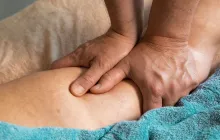
Effective self application begins with clean hands, comfortable posture, and a willingness to listen to the body's signals. Start with short sessions of a few minutes, gradually extending as you notice tolerance and comfort. Use the fingertips to apply steady, circular pressure rather than sharp poking, and keep the pressure moderate enough to feel these points without pain. Breathing should be slow, with a gentle exhale that invites release. The goal is not to force a change but to invite a quiet adjustment in nervous system tone, allowing muscle tension to soften and the mind to settle into present awareness.
As you grow familiar with the sensations, you can explore slightly different angles of contact, such as applying pressure near the margins of a point or tracing small, circular motions around the point while maintaining a comfortable rhythm. If you notice any discomfort or a change in symptoms that is not reassuring, ease up, pause, and return to slower breathing. Pregnant individuals should consult a clinician before stimulating certain points, and people with skin conditions, injuries, or recent surgeries should avoid applying pressure directly to affected areas until given clearance. By prioritizing safety and tenderness, you create a sustainable practice rather than a rapid, aggressive attempt to fix every sensation.
Integrating Acupressure into Daily Routine
One of the strengths of acupressure is its capacity to be woven into daily life without disruption. A short morning routine can set a calmer tone for the day, while brief breaks during work can interrupt the buildup of stress that accumulates from sustained attention. Evening practice can ease the transition from activity to rest, supporting a smoother path toward sleep. The key is consistency and attention to body cues. Rather than chasing a dramatic shift in mood, the practice gradually lowers the baseline of reactivity, so everyday challenges become more manageable and less exhausting.
To make the practice tangible, you can allocate a few minutes to gently explore a handful of points that feel accessible and comfortable. The goal is not to press through pain but to cultivate a gentle, listening approach. Over weeks, a simple routine that blends breathing, light touch, and a short mental pause can become an anchor that you return to in moments of tension. A mindful pause, paired with a soft touch on familiar points, can transform a rushed day into a sequence of small, restorative moments that accumulate into greater calm and steadiness.
Evidence and Research
Clinical and experiential reports suggest that acupressure can contribute to lower perceived stress, improved mood, and more restful sleep for many individuals. Studies often describe reductions in subjective anxiety symptoms, improved sleep latency, and enhanced daytime functioning when pressure is applied with consistency alongside supportive routines. While randomized trials exist, results vary depending on the specific protocol, population, and controls. The consensus in the field is that acupressure offers a complementary approach that may bolster standard stress management strategies, with benefits that tend to accumulate over time rather than appearing as a single dramatic change.
Critical voices remind us that acupressure is not a replacement for medical treatment for severe anxiety, chronic insomnia, or other health conditions. However, when used as an adjunct to psychotherapy, mindfulness practice, and healthy lifestyle choices, acupressure can add a tactile dimension to self care that reinforces a person's sense of agency. The growing body of qualitative and quantitative data supports its acceptability and feasibility as a self managed skill, and ongoing research continues to explore precisely how different point combinations, durations, and frequencies influence autonomic and endocrine processes in diverse populations.
Who Might Benefit and Safety Considerations
People who experience recurring tension, headaches related to stress, or difficulty winding down at night may find acupressure particularly useful as part of a broader plan for emotional regulation. Athletes and desk workers alike may benefit from short sessions that address neck, shoulder, and hand tension, relieving stiffness and supporting focus. Vulnerable groups, including individuals with chronic pain or sleep disturbances, can discover a gentle technique to support mood along with other therapies. Yet safety remains important; avoid pressing directly onto irritated skin or areas with inflammation, and refrain from applying strong pressure near the eyes or on the neck if you have a risk of vascular or other medical concerns.
People with pregnancy, recent surgery, or certain neurological conditions should seek guidance from a qualified practitioner before initiating a self acupressure routine. A trained professional can tailor techniques to the person’s anatomy, sensitivity, and medical history, offering modifications that preserve safety while maximizing potential benefit. With appropriate caution, acupressure can be a practical, empowering tool rather than a risky or unproven practice. The emphasis remains on listening to the body, moving slowly, and honoring personal limits as you cultivate a habit that supports resilience rather than triggering discomfort.
Practical Guidance and Common Misconceptions
One common myth suggests that acupressure is a miracle cure for all stress related symptoms, while another asserts that it is universally safe for everyone in every circumstance. The reality is more nuanced: acupressure is best understood as a supportive practice that complements other healthy habits. It works most effectively when applied consistently, with a respectful awareness of one’s own boundaries and a willingness to pause when sensations become unsettling. By combining careful touch with conscious breathing, you nurture a mind body connection that can reduce the intensity of stress responses without suppressing necessary alertness in daily life.
Another practical truth is that the quality of touch matters as much as the location of a point. Gentle, thoughtful pressure delivered with calm breathing tends to produce more reliable calm than frantic, hurried manipulation. Asking a partner or friend to assist with a visit to specific points can be a helpful social element, though it remains essential to communicate comfort levels and to respect each person’s pace. With patience, a modest routine can blossom into a meaningful practice that supports emotional regulation, sleep quality, and daytime energy over time.
Ongoing Practice and Personal Experience
Ultimately, the value of acupressure lies in its cultivation of a steady relationship with one’s own body. Those who practice regularly tend to notice an increased sensitivity to early signs of tension and a greater ability to intervene before stress escalates. Over weeks and months, a routine that combines point stimulation with mindful breath can train the nervous system to respond with calm rather than collapse in the face of disruption. In this sense, acupressure becomes a small daily ceremony of self care, a deliberate act that says to the body and mind that relief is available through patient attention and kind touch.
As with any self care practice, consistency matters more than intensity. Short, gentile sessions repeated several times a week can yield meaningful change, whereas sporadic, forceful attempts are less likely to produce lasting benefit. The aim is not to chase a dramatic miracle but to create a reliable, welcoming space where stress can dissolve gradually. For many people, acupressure offers a bridge between momentary relief and enduring well being, a practice that honors both the science of the body and the art of mindful presence. By approaching touch with curiosity and care, individuals may discover a practical path to calmer days and more rested nights.